


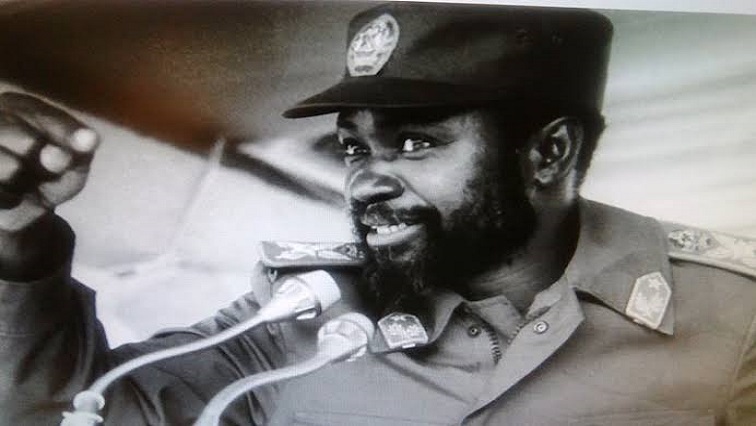
The two-day symposium, running August 17- 18, marks 40 years since Machel’s death and brings together participants from across the continent to discuss liberation movements, Pan-Africanism and the challenges facing a new generation of Africans.
Dean of the Faculty of Humanities at Rhodes University Professor Siphokazi Magadla said the event is focused on both reflection and action. “I think the commemoration is not just a nostalgic one, but it’s a very action-orientated one to say, how do we take this forward?” Magadla said.
Magadla said discussions are exploring the connections between African countries and how those relationships continue to shape contemporary decolonisation efforts.
The symposium is being held under the theme Aluta Continua, Samora Machel, Liberation Movements and the Unfinished Decolonial Project.
Asked what constitutes the unfinished liberation project, Magadla said young people participating in the symposium pointed to the gap between the promises of liberation movements and current realities. “The unfinishedness of it is taking it back to the promises that a lot of liberation movements made not just to their countries but to young people, and the realities that we face today of unemployment, gender-based violence and so forth,” Magadla said.
Magadla said many participants believe there needs to be a more honest assessment of achievements and shortcomings since independence across the continent.
The symposium has drawn young people from South Africa, Zimbabwe, Mozambique and Tanzania, with discussions focusing on shared challenges and collective solutions.
Magadla said frustration among young people is growing, particularly over unemployment and limited opportunities, but participants stressed the importance of taking action rather than remaining discouraged. “Yesterday in our conversation with the young people, a slogan that kept coming out was that as young people, we need to push the boat,” Magadla said.
According to Magadla, participants said change would require practical action in communities rather than dialogue alone. “We need to push the boat in very realistic, but also very small, tangible ways,” Magadla said.
Looking beyond the symposium, Magadla said participants are working on a declaration aimed at outlining practical steps for advancing the conversation on liberation and decolonisation.
Magadla also argued that African liberation histories should be more deeply integrated into education systems. “I think one thing that we definitely struggle with here is we need to really take the conversation of integrating these histories into our curriculum,” Magadla said.
Magadla said a better understanding of liberation history would help young people understand past challenges and shape responses to present-day issues facing the continent.
–ChannelAfrica–


