

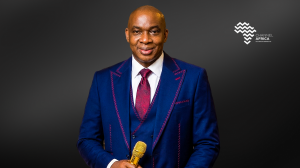
Hichilema secured a second five-year term after winning about 60% of the vote in Zambia’s Presidential election. Official results showed National Reconciliation Party for Unity and Progress candidate Brian Mundubile finishing second with about 38%, ahead of 12 other candidates.
Before the final results were announced, Mundubile declared victory and alleged, without providing evidence, that the election had been rigged. Mundubile claimed there were discrepancies between polling station results and official tallies and called for an independent investigation into the outcome.
The political tensions escalated after Zambian authorities announced that police had conducted a raid on a house where an exchange of gunfire reportedly occurred. Several opposition-linked figures were arrested on allegations of involvement in a plot to stage a coup with foreign militia support.
Mundubile rejected the allegations, describing them as fabricated. Mundubile’s political party said the opposition leader had moved to a secure location.
Hichilema told media organisations that criminal charges would be brought against those arrested.
Concerns have also emerged over the treatment of detainees. Relatives of one detained Anglican bishop reportedly said family members had not been informed where the bishop was being held and had been unable to make contact for two days.
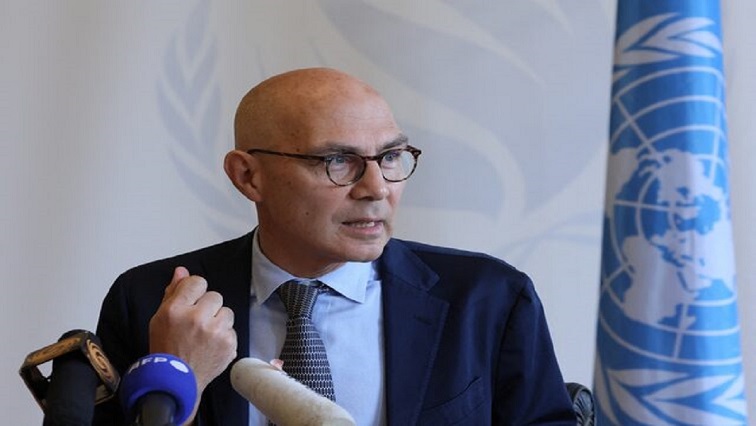
UN High Commissioner for Human Rights Volker Türk expressed concern over the situation and called on Zambian authorities to respect due process rights.
Türk urged authorities “to stop arresting people arbitrarily and to uphold fully the due process rights of all those detained”.
According to Türk, detainees must be informed of the reasons for their arrest and any charges against them. “They must also be allowed access to legal representation, as well as communication with their families. They must be treated humanely while in custody and brought promptly before a judge,” Türk said.
The developments come as Zambia seeks to preserve its reputation as one of Southern Africa’s more stable democracies, with attention now shifting from the election outcome to concerns over political freedoms, due process and the treatment of opposition figures following the vote.
–UN/ChannelAfrica–


