

The appeal was made at the 17th Conference of the Parties to the United Nations Convention to Combat Desertification (UNCCD COP17), which concludes on Friday, where IOM is advocating for stronger action to address the links between land degradation, migration and security.
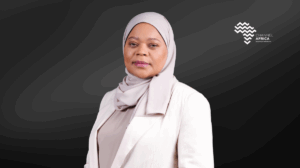
IOM Deputy Director General Ugochi Daniels said the international community remains more focused on responding to displacement than preventing it. “We are still much better at financing the consequences of displacement than investing early enough to reduce its risk,” Daniels said.
“When land fails, people lose the ability to choose: to stay, to move safely, or to return with dignity.”
Daniels said degraded land is already imposing a heavy economic burden, with an estimated $878 billion lost globally each year because of land degradation. “Investing in restoration is also an investment in resilience, livelihoods and people’s ability to keep these choices open,” Daniels said.
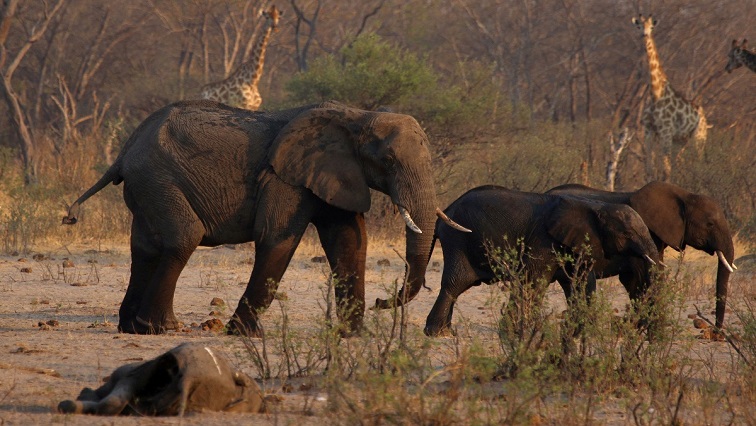
Held under the theme Restoring Land. Restoring Hope, COP17 is taking place as up to 40% of the world’s land has become degraded, affecting around half of humanity.
According to IOM, approximately 3.2 billion people currently live in areas affected by land degradation, while weather-related disasters have driven roughly 200 million internal displacements over the past decade.
At the conference, IOM is co-leading the Thematic Day on Finance and participating in a high-level ministerial dialogue on land, migration and security.
The organisation is calling for stronger links between scientific evidence, public policy and financing decisions to identify areas most vulnerable to drought, desertification and displacement.
IOM argues that understanding where environmental pressures are most likely to undermine livelihoods can help governments direct resources to communities before crises emerge.
The organisation also stressed that women, young people, migrants and displaced communities should be recognised as active participants in building resilience rather than simply victims of environmental degradation.
Among the initiatives showcased at COP17 is the Peace Forest Initiative for the Horn of Africa, a programme valued at approximately $30 million that aims to restore degraded land and strengthen resilience in fragile border regions while incorporating migration considerations.
IOM and the UNCCD are also developing a new Joint Roadmap for Action for 2026-2030, which will focus on land degradation, drought and human mobility.
The roadmap is intended to help translate global commitments into practical interventions at national and community level.
Youth representatives attending the conference also called for stronger implementation of climate and land restoration commitments.
One youth delegate from the Sahel said communities want to see commitments translated into tangible results. “We want to move from policy to action, from action to programmes, and from programmes to the communities that need them,” the delegate said.
IOM said the message emerging from COP17 is that investing in healthy land and climate resilience should be viewed not only as an environmental priority but also as a means of reducing displacement, protecting livelihoods and strengthening long-term stability.
–IOM/ChannelAfrica–


