

The annual gathering, held under the theme Water for People and Progress, brings together governments, researchers, financiers and industry leaders to discuss solutions to global water challenges.
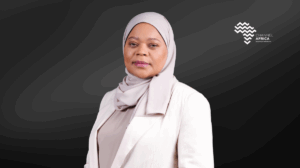
The country’s Department of Water and Sanitation Deputy Director-General for Water Services Management, Dr Risimati Mathye, said SA has made significant progress in expanding access to water over the past 30 years, but ageing infrastructure and service delivery failures remain major concerns.
Mathye said the country is looking at how international partners are implementing reforms, adopting technology and working with communities to improve water services. “There are a lot of lessons that we can pick up when it comes to the reform agenda,” Mathye said.
Mathye said SA has identified opportunities to accelerate project implementation, expand the use of technology and strengthen integration across different parts of the water sector.
According to Mathye, World Water Week is providing an opportunity to compare SA’s experiences with international best practice. “We came as SA to say we must be able to pitch what we are doing as a country versus what the international community is doing, and we’re finding a lot of similarities,” Mathye said.
Mathye also outlined the objectives of the government’s National Water Action Plan, which is designed to improve water access, strengthen maintenance and reduce water losses.
The plan involves cooperation between the Department of Water and Sanitation, the Department of Cooperative Governance and Traditional Affairs and municipalities.
Among its priorities are expanding water access to underserved communities, improving operations and maintenance and tackling losses caused by leaks and failing infrastructure.
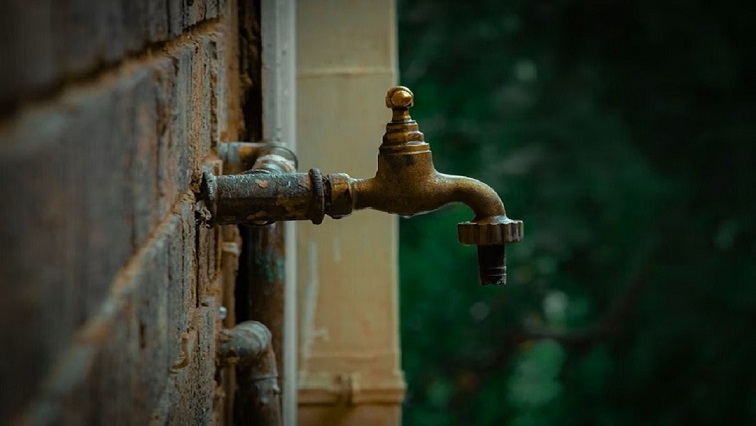
Mathye said SA is currently losing around 47% of treated water through what is known as non-revenue water, which includes physical leaks, poor billing systems and other inefficiencies. “The expectations for municipalities are to budget for operation and maintenance, have proactive and reactive maintenance plans and deal with the issues of reducing losses in the systems,” Mathye said.
Mathye warned that delays in maintaining infrastructure will significantly increase costs in future.
According to preliminary estimates, approximately $22 billion is needed to reinvest in operations and maintenance to keep existing water infrastructure functioning effectively. “If you compound that amount on an annual basis, you will realise that it will run to trillions of dollars the more we delay on operations and maintenance,” Mathye said.
Mathye said municipalities need to prioritise maintenance, infrastructure refurbishment and the appointment of skilled personnel to manage water services effectively.
At the international level, SA is co-chairing discussions on financing water infrastructure ahead of the United Nations Water Conference scheduled for Abu Dhabi later this year.
Mathye said one of the key objectives is attracting investment into the water sector. “Researchers showed us that there are trillions of dollars waiting globally to invest in water, but the bankability has been a challenge,” Mathye said.
Mathye said SA hopes to use global partnerships and reform efforts to unlock greater private-sector participation, adopt new technologies and improve water service delivery. “We are harvesting quite a lot of knowledge,” Mathye said.
“But we are not understating our success as a country because we have actually done quite a lot in terms of how we have dealt with water from the policy point of view, making it a constitutional right for people.”
–ChannelAfrica–


