


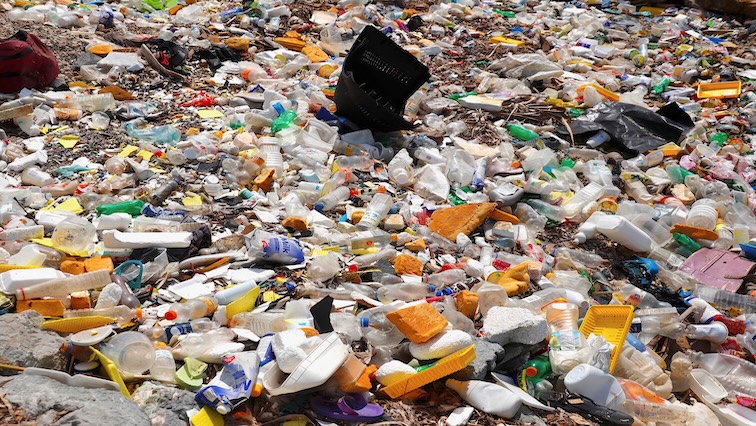
At Nkondo in Kikuube district, fishing begins before sunrise, with Lake Albert providing food and income for surrounding families. However, growing volumes of plastic waste and other debris are placing the freshwater ecosystem under pressure.
Lake Albert Fishers’ Chairperson Solomon Wamara warned that continued pollution could damage fish stocks and threaten future generations.
Wamara said plastic bags and other discarded materials often enter the lake, affecting areas used by fish for breeding and growth. Waste from agricultural activities and disposal sites also reaches Lake Albert through the Wambaya, Waki and Nguse rivers.
According to Wamara, pollution of rivers feeding Lake Albert creates additional risks for fish populations and communities dependent on the lake.
Wamara called for an end to waste dumping around the lake, particularly plastic dumping, while urging residents to participate in environmental sanitation programmes. Wamara also supported expanding monthly clean-up campaigns across more lakeside communities.
Conservation programmes should recognise the financial circumstances of traditional fishing communities, Wamara said. Government support could help fishers operate sustainably and comply with fishing regulations without placing excessive financial pressure on households.
Uganda Kikuube District Commissioner Godwin Angalia said lakes remained central to local economies and supported millions of citizens through fishing and other natural resources.
Angalia identified pollution, illegal fishing and damage to rivers and forests among the main threats facing Lake Albert. Uganda authorities are working to protect the Wambaya and Nguse rivers, alongside Bugoma Forest, which supports the lake’s wider ecosystem.
Village leaders have also been asked to report environmental pollution and destruction of lake resources to the relevant authorities.
Uganda’s government has started establishing indigenous community committees to support fisheries management. Angalia said local fishers possess practical knowledge of the lake and can help prevent destructive fishing practices, including the harvesting of young fish.
The warnings came as the United Nations (UN) marked World Lake Day on August 27, highlighting the importance of lakes to freshwater supplies, biodiversity, agriculture and local economies.
A 2024 UN Environment Programme and UN-Water report found freshwater ecosystems had deteriorated in 90 countries, with Africa, Central Asia and Southeast Asia recording widespread degradation. Pollution, land conversion, dams, water extraction and climate change were among the main causes.
Lake Albert’s future now depends on cooperation between authorities, fishing communities and residents to reduce pollution and protect breeding grounds.
–UN/ChannelAfrica–


