

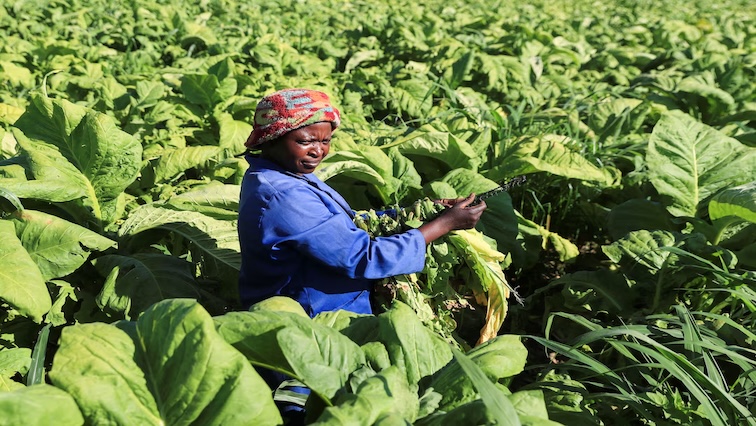
New World Health Organisation (WHO) analysis shows global tobacco-leaf production declined by nearly 19% between 2012 and 2024. Africa recorded an increase of almost 9% during the same period.
Africa produced more than 639 000 tonnes of tobacco leaf in 2024, accounting for about 11% of global production. East Africa produced nearly 90% of the continent’s output.
Zimbabwe, Malawi, Tanzania, Mozambique and Uganda were Africa’s five largest producers, listed in descending order.
Africa’s cigarette imports also more than doubled between 2012 and 2024, rising from $833 million to $1.77 billion. The figures show African countries exporting increasing volumes of raw tobacco while spending more on imported manufactured cigarettes.
“This is not just a tobacco-control issue. It is a health, trade, development and environmental issue,” WHO Tobacco Free Initiative Head Dr Vinayak Prasad said.
“Tobacco farming exposes workers and families to serious health risks, damages the environment and can trap farmers in cycles of debt. At the same time, African economies are spending more on imported cigarettes that fuel addiction, disease and premature death.”
Tobacco cultivation uses land, water and other natural resources that could support food production or alternative livelihoods. Farming practices are also associated with soil degradation, pesticide exposure, deforestation and greenhouse gas emissions from tobacco curing.
Farmers face green tobacco sickness, caused by nicotine absorption through skin during the handling of wet leaves. Pesticides and tobacco dust present additional health risks.
Children from low-income households in some countries also miss school to work on tobacco farms and supplement household incomes.
WHO said tobacco was not economically indispensable for most African countries. Tobacco-leaf exports account for more than 1% of gross domestic product only in a small number of economies, including Zimbabwe and Malawi. “Countries need support to move away from economic dependence on a product that harms health, farmers and the environment,” Prasad said.
Under the WHO Framework Convention on Tobacco Control, countries are encouraged to develop economically viable alternatives for tobacco growers and workers.
WHO called for stronger support for African countries seeking to diversify agriculture, protect farming communities, strengthen tobacco-control policies and reduce the economic burden associated with tobacco production, trade and consumption.
–WHO/ChannelAfrica–





