
The proposed changes would allow the President to dismiss the Prime Minister, dissolve the government and dissolve Parliament under certain circumstances.
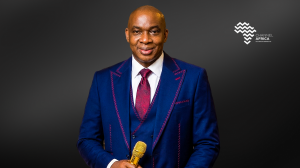
Independent Political Analyst Jean Donald Taladzi says the proposed reforms represent a significant shift in Guinea-Bissau’s political system from a parliamentary model towards a Presidential system.
Taladzi says greater Presidential powers could alter the balance between the executive and other institutions, particularly if the President gains the ability to dissolve Parliament when the composition of the legislature becomes unfavourable.
The referendum has been criticised by opposition parties, which argue that the proposed constitutional changes had already been approved and published in the Official Gazette before voters were given an opportunity to decide on the proposals.
Opposition parties have also raised concerns over the absence of consultation with political parties and other stakeholders during the drafting process.
Taladzi says changing the country’s political system requires broad participation from political forces, warning that the exclusion of opposition parties could lead to continued contestation.
Taladzi says the referendum could therefore generate political instability, particularly if opposition parties continue challenging the process.
Questions have also been raised over whether the referendum is intended to strengthen Guinea-Bissau’s institutions or consolidate power under the transitional authorities.
Taladzi says it remains difficult to determine whether the proposed system will ultimately strengthen democratic institutions, noting that the benefits presented by the authorities will depend on how the reforms are implemented.
Taladzi says opposition parties have limited leverage to alter the process, despite the possibility of protests against the referendum.
Taladzi warns that Guinea-Bissau remains under military rule, meaning any significant opposition mobilisation could create further tensions between political groups and the authorities.
Despite the political controversy, Taladzi says the situation on the ground appeared calm at the time of the interview, with no significant public reaction reported.
–ChannelAfrica–





