

South Africans (SA) may be tightening their belts, but they certainly are not compromising on life’s simple pleasures.
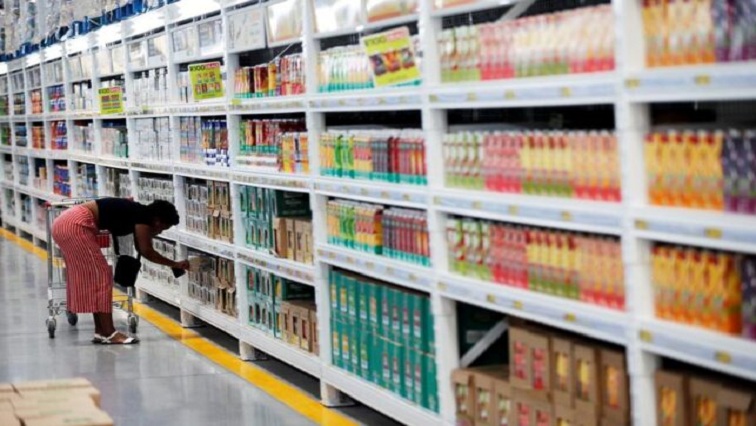
According to NielsenIQ’s (NIQ) State of the Retail Nation analysis for the first half of 2026, local consumers spent a staggering R347.7 billion ($19.3 billion) on fast-moving consumer goods (FMCG), a 5.5% year-over-year value boost driven largely by drinks, snacks, and everyday treats.
“FMCG spending held up relatively well in the first half of the year despite continued pressure on household budgets,” says Zak Haeri, Managing Director for NIQ SA. “However, the tech and durables sector experienced a more difficult environment as consumers trimmed discretionary spending and delayed product replacement cycles.”
The desire to unwind and indulge took priority over buying the latest gadgets. Snack sales surged 15.6% in volume, reaching R25.8 billion ($1.43 billion), while beverage sales jumped 8.3% to hit R49.6 billion ($2.75 billion). General food staples grew to R125.2 billion ($6.95 billion), proving that everyday pantry items remain the bedrock of household shopping lists. On the other hand, baby care dropped 2% to R6.9 billion ($383 million), and pet food shrank 1.1% to R2.3 billion ($127.8 million) as pet owners streamlined non-essential purchases.
Independent, neighbourhood-based retail, known locally as traditional trade, significantly outpaced large supermarket chains in growth. While modern trade channels like major supermarket chains and online stores generated R257.1 billion ($14.28 billion) with modest 3.7% growth, local spaza shops, taverns, and independent superettes pulled in R85.4 billion ($4.74 billion), representing a massive 13.7% jump.
Haeri points out that a shift in consumer behaviour is underway across all these retail channels. “A growing proportion of FMCG sales are now taking place on promotion as consumers continue to tighten their belts,” he explains. “Our analysis of spending across major FMCG categories found year-on-year increases in regular and promotional price elasticity. In other words, consumers are more responsive to price increases and promotional offers than they were a year ago.”
This price sensitivity is even more pronounced in the tech sector, where total sales value dropped 5.8% as South Africans delayed laptop and home appliance upgrades. “Slower discretionary spending took its toll on the sector in the first half,” Haeri notes. “Growing competition from emerging Chinese brands has also introduced more pricing pressure. In the Information technology and smartphone segments, consumers appear to be postponing upgrades rather than rejecting technology altogether. Purchases still happen when the benefit is visible and practical.”
Ultimately, NIQ’s analysis shows that SA consumers are not stopping their spending altogether, they are simply spending far smarter, prioritising everyday joy, local convenience, and practical value over luxury upgrades.
–ChannelAfrica/NIQ–





