

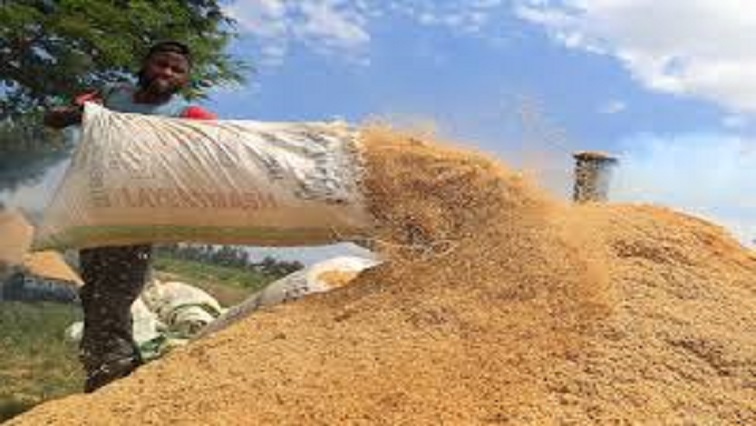
The institutions said repeated economic, climate and supply shocks had exposed structural weaknesses in fertiliser markets, with smallholder farmers and low-income households facing the greatest effects.
Greater investment in fertiliser production, processing, blending, storage and transport could help build economic corridors capable of withstanding future disruptions.
However, the Multilateral Development Banks (MDBs) said increasing fertiliser availability alone would not deliver long-term food security. Improving fertiliser-use efficiency, diversifying nutrient sources, restoring soil health and investing in resilient food systems would also be necessary.
MDB support could include coordinated financing, policy discussions, technical assistance, research, innovation and private-sector participation.
The proposed programme builds on the International Financial Institutions Action Plan to Address Food Insecurity, introduced after the 2022 global food crisis. The initiative expanded financial support for agriculture, food trade, social protection and resilient food systems.
Group of Twenty (G20) discussions have since highlighted the importance of resilient food and fertiliser value chains. A proposed Group of Seven Plus Action Plan on Fertiliser Shocks and Food Systems Resilience also calls for stronger market monitoring, early-warning systems, coordination and timely financing.
MDBs plan to work with G20 members, development partners and private companies to develop the roadmap. Priorities will include financing fertiliser infrastructure, improving market monitoring and ensuring farmers receive inputs on time.
The roadmap will promote soil diagnostics, fertiliser recommendations, precision nutrient management, digital agriculture, farmer advisory services and scientific research.
Additional measures will support improved soil and water management, nature-based solutions, resilient agricultural value chains and innovative technologies.
MDBs also committed to supporting vulnerable households while improving access to finance, inputs, logistics and markets for smallholder farmers and agricultural businesses. The programme will place particular emphasis on fertiliser access and efficient resource use.
Cooperation with governments, international organisations, research institutions, civil society and private companies will support data sharing, evidence-based policies and coordinated implementation.
The statement was signed by the African Development Bank Group, Asian Development Bank, European Bank for Reconstruction and Development, Inter-American Development Bank Group, International Fund for Agricultural Development and World Bank Group.
–AfDB/ChannelAfrica–





