


The UN Environment Programme (UNEP) report warns that global temperatures could exceed the 1.5°C limit above pre-industrial levels within the next few years.
World leaders agreed under the 2015 Paris Agreement to limit global warming to 1.5°C, a threshold scientists consider critical for avoiding severe climate damage. “The fight for 1.5 degrees is the fight for humanity,” UN Secretary-General António Guterres said.
Guterres said every fraction of additional warming would cost lives, destroy livelihoods, deepen inequality and move ecosystems closer to irreversible damage.
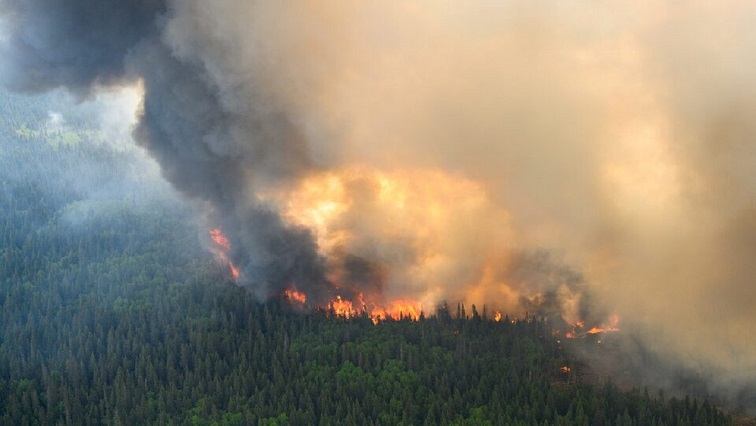
Recent extreme heat across the northern hemisphere, widespread wildfires and deadly flooding provide a warning of worsening climate effects.
UNEP Executive Director Inger Andersen said temperatures remaining above 1.5°C would intensify risks to human health, food security, water supplies, infrastructure, natural ecosystems and national economies. “Across the globe, extreme heatwaves are already proving that climate impacts will strike faster, hit harder, and last longer, costing more lives and causing deeper disruption,” Andersen said.
The report warns that prolonged warming above 1.5°C would increase the likelihood of irreversible tipping points, including destabilisation of major ice sheets and degradation of the Amazon rainforest.
Small island developing states and low-lying coastal cities face greater risks from rising sea levels, while vulnerable communities could experience deeper economic and social disruption.
However, UNEP said rapid and coordinated climate action could bring global temperatures back below 1.5°C by the end of the century.
Required measures include accelerating the phaseout of fossil fuels, expanding renewable energy, reducing methane pollution and protecting land, forests and oceans.
Governments must also strengthen national climate plans, meet net-zero commitments and invest in measures that help communities withstand existing climate effects.
Developed countries should triple adaptation finance and ensure funding reaches countries and communities facing the greatest risks.
Mitigation and adaptation must advance together, with climate action incorporating nature-based cooling, resilient infrastructure and protection of vulnerable ecosystems.
Countries carrying greater historical responsibility for climate change should move fastest and adopt stronger commitments, according to the report.
“The science is clear,” Guterres said. “The solutions are at hand, and the world has never been better equipped to deploy them.”
–UN/ChannelAfrica–


