

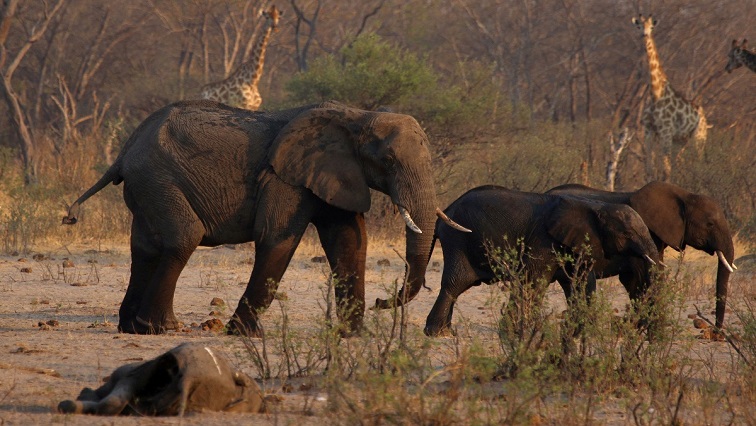
The World Meteorological Organisation (WMO) says the climate phenomenon is intensifying quickly in the Pacific Ocean and is likely to become “very strong” before reaching its peak around the end of the year.
The United Nations (UN) weather agency has placed the likelihood of El Niño continuing through February 2027 at close to 100%, an unusually confident forecast that highlights growing concern over the event’s potential impact.
Scientists say an enormous body of exceptionally warm water beneath the tropical Pacific is providing additional fuel for the system. In some areas, subsurface ocean temperatures in July and early August were more than 8°C above normal levels.
UN Secretary-General António Guterres warned that the phenomenon was gaining strength against a backdrop of already elevated global temperatures. “El Niño is being supersized before our eyes,” Guterres said. “The science leaves no room for doubt: the planet is in uncharted waters, and those waters are heating up.”
El Niño typically develops every two to seven years when sea surface temperatures in the central and eastern equatorial Pacific become unusually warm. The resulting changes in atmospheric circulation can influence rainfall and temperature patterns across the globe.
While researchers have not established that human-induced climate change is making El Niño more frequent or stronger, warmer oceans and a hotter atmosphere can intensify some of its effects by providing additional heat and moisture to drive extreme weather.
According to the WMO, the Niño 3.4 index, a key measure of Pacific Ocean temperatures, averaged 1.5°C above normal between May and July. By July it had reached 2°C, while weekly readings later climbed to 2.6°C.
Forecasters expect above-normal temperatures across most of the world between September and November. Rainfall patterns associated with El Niño are also expected to increase the likelihood of flooding in some regions and drought in others.
WMO Secretary-General Celeste Saulo said governments and aid agencies should prepare for worsening conditions. “El Niño means ‘little boy’ in Spanish, but it has the potential to deliver a massive blow to communities and economies around the world,” Saulo said.
“This exceptional El Niño demands exceptional preparedness and response.”
–UN/ChannelAfrica–





