


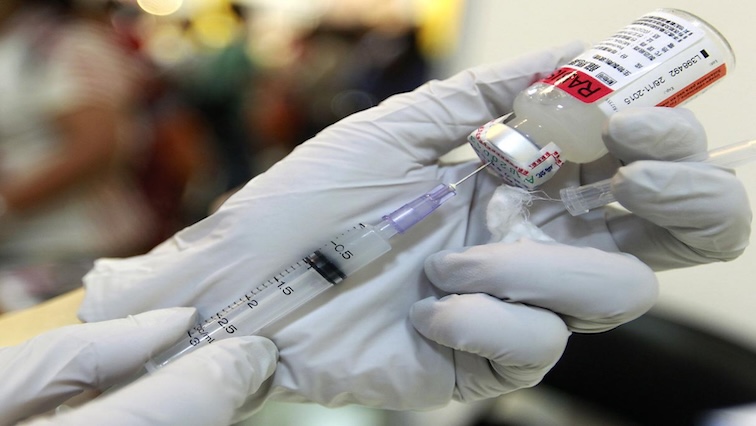
SA will mark World Rabies Day on September 28, 2026, under the theme “Stronger Together”, highlighting the need for cooperation among communities, veterinary services, healthcare workers, government departments and international partners.
SA Minister of Agriculture Willie Aucamp urged residents to vaccinate dogs and cats, report suspected infections and seek immediate medical assistance after contact with a potentially infected animal. “Rabies is one of the world’s deadliest yet most preventable diseases. No one should lose their life to a disease we know how to prevent,” Aucamp said.
“Vaccinating dogs and cats, practising responsible pet ownership, reporting suspected cases and seeking prompt medical care after potential exposure are essential to preventing deaths.”
Rabies remains a threat across all nine SA provinces, with significant hotspots in the Eastern Cape, KwaZulu-Natal and Limpopo.
Figures recorded by August 26, 2026, included seven confirmed human deaths and two probable deaths in the Eastern Cape. KwaZulu-Natal recorded five confirmed deaths, while Limpopo recorded one.
Laboratories also confirmed 115 animal rabies cases between January 1 and July 31, 2026.
Rabies is almost always fatal after symptoms develop, but vaccination and prompt post-exposure treatment can prevent infection.
Following a bite, scratch or lick from a potentially infected animal, the affected area should be washed immediately with soap and running water for at least 10 minutes. Medical attention should follow without delay.
Any mammal can contract rabies, including pets, livestock, wildlife and humans. Preventing the movement of unvaccinated animals can help limit transmission between communities and provinces.
The National Rabies Advisory Group is coordinating awareness programmes focused on the effect of rabies on animal and public health.
Pet owners seeking prevention or vaccination assistance can contact state or private veterinarians, animal health technicians, provincial veterinary services or animal welfare organisations. “Through responsible pet ownership and acting quickly, we are ‘Stronger Together’ in the fight against rabies,” Aucamp said.
Authorities said eliminating rabies would require sustained vaccination, public awareness, early reporting and coordinated action across the animal and human health sectors.
–ChannelAfrica–


