


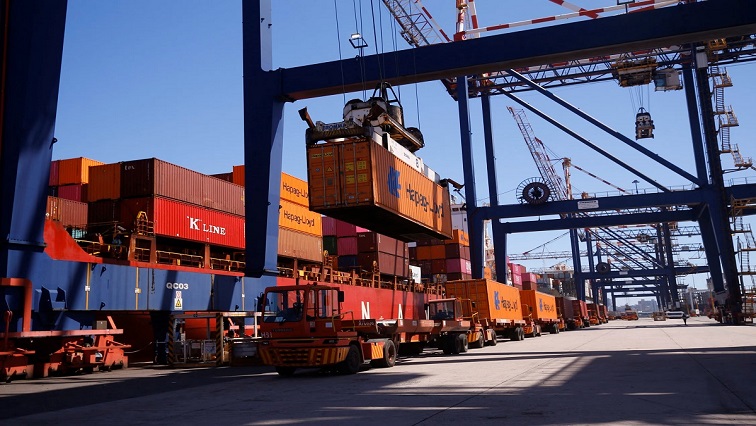
The market is projected to grow from $27.58 billion in 2025 to $37.17 billion by 2030, supported by demand for warehousing, distribution networks and supply-chain services.
Lehohla said International Comparison Programme data showed that West Africa had maintained relatively harmonised price levels across goods and services despite linguistic and historical differences. “West Africa is the most harmonious over the longest period of time, despite language differences,” Lehohla said.
Greater alignment between national markets can support cross-border trade, improve regional competitiveness and provide logistics companies with a more predictable operating environment.
Lehohla said East Africa had achieved similar progress through regional initiatives, including harmonised telecommunications rates. By comparison, price levels across the Southern African Development Community (SADC) remained uneven, with Zimbabwe and Namibia among higher-cost markets.
Infrastructure investment has also strengthened West Africa’s logistics prospects. Major projects in Nigeria, Ghana, Côte d’Ivoire and Senegal have expanded refineries, airports, industrial capacity and transport networks.
Lehohla said African countries needed to increase gross fixed capital formation to improve economic performance, create employment and raise living standards.
Between 2002 and 2008, South Africa invested about 25% of gross domestic product in fixed capital formation, supporting economic growth and expanded employment. However, SA’s investment level declined sharply over the following 15 years.
SADC has access to ports on the Indian and Atlantic oceans, creating opportunities for regional freight routes connecting Mozambique, SA and Namibia. However, deteriorating rail infrastructure has reduced the region’s ability to use that geographical advantage.
SA previously developed strong rail, signalling and freight capabilities, but declining investment and infrastructure damage weakened SA’s regional role. “What went wrong, we didn’t understand economics,” Lehohla said.
According to Lehohla, stronger use of economic data could help policymakers understand the consequences of investment decisions and identify drivers of development.
–ChannelAfrica–


