

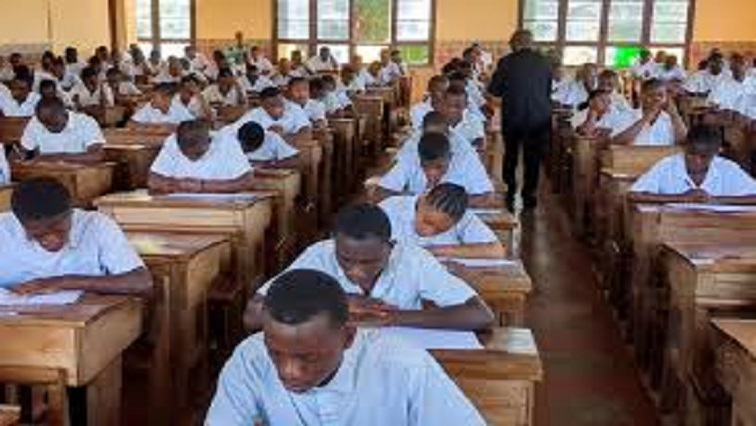
The global education fund said 258 million children across 87 countries faced severe learning disruption.
The warning coincided with the International Day to Protect Education from Attack amid growing conflict, weakening restraint and erosion of international standards. “When a child is denied schooling for years, the consequences are immediate and profound,” Education Cannot Wait Director Maysa Jalbout said.
A report supported by the fund found that attacks on education and military use of schools reached record levels during 2024 and 2025.
At least 9 259 attacks on education were recorded across 28 countries, including more than 3 600 attacks on schools. The overall figure represented an increase of more than 50% compared with 2022 and 2023.
More than 10 600 pupils and education workers were killed, injured or abducted, while military use of schools almost doubled.
Jalbout said education during emergencies provided safety, stability and a path beyond crisis for vulnerable children.
United Nations data showed that 24 174 children were affected by conflict-related violations during 2025, from 38 558 verified violations.
Killing and maiming affected 14 224 children. Other violations included recruitment into armed conflict, abduction and denial of humanitarian assistance.
Fighting increasingly occurred in densely populated areas, exposing children to air strikes, artillery and explosive drones. Homes, schools, hospitals and other civilian infrastructure were also damaged or destroyed.
The highest number of grave violations was recorded in Israel and the Occupied Palestinian Territory, followed by the Democratic Republic of Congo, Nigeria, Myanmar and Somalia.
Government forces were responsible for most verified grave violations for the first time.
Education Cannot Wait said schooling protected children from harm while providing knowledge and skills needed to rebuild communities.
The fund’s Hope Starts Here campaign is seeking $600 million to provide 10 million children in crisis-affected areas with access to safe, quality education.
–UN/ChannelAfrica–


