

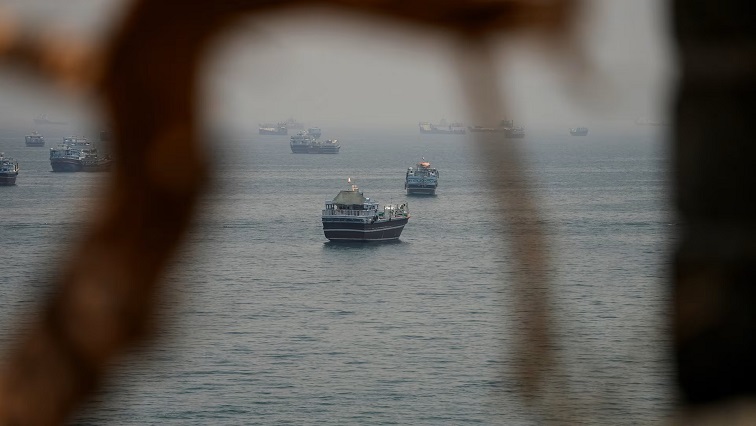
The Strait of Hormuz, Red Sea, waters off Somalia and Black Sea have become active danger zones, according to International Maritime Organisation (IMO) Maritime Safety Division Director Damien Chevallier.
Chevallier described the situation as unprecedented because of the number of ships and seafarers affected across several regions.
At the beginning of the Strait of Hormuz crisis, about 2 000 vessels and 20 000 seafarers were affected. The waterway carries roughly 20% of global oil supplies, making disruption a threat to inflation and living costs worldwide.
Houthi attacks continue in the Red Sea, while piracy has increased off Somalia as naval resources focus on other maritime threats. Pirates have targeted smaller bulk carriers considered easier to attack.
Somalia is developing anti-piracy legislation to strengthen the prosecution of suspected pirates captured during naval operations.
Drone attacks have also targeted oil tankers and grain vessels in the Black Sea. Ukraine’s grain ports are receiving only one or two vessels daily during the harvest season, compared with the usual 20 to 30.
Chevallier said commercial shipping had become an instrument of geopolitical pressure, despite vessels and crews having no direct involvement in the underlying disputes. “Being a seafarer has become a genuinely dangerous profession,” Chevallier said.
Disruptions in the Strait of Hormuz and Black Sea also threaten fertiliser supplies, while lower grain exports could deepen food insecurity. Developing countries could experience the greatest effects as shipping companies reroute vessels, introduce additional security measures and increase transport charges.
Wealthier countries can use strategic reserves as a temporary protection against supply disruption. However, depleted reserves could trigger another period of shortages and price increases.
The crises could also discourage young people from entering maritime careers, creating a shortage of qualified seafarers within five to 10 years. Recruitment and training requirements mean any future shortage would take years to reverse.
Attacked vessels also present environmental risks, including potential marine pollution.
Chevallier called for diplomacy, respect for international and humanitarian law, and constructive engagement through the United Nations.
The IMO warned against normalising attacks or relying on armed commercial ships, arguing that greater militarisation could produce more evasive weapons and further endanger crews.
–IMO/ChannelAfrica–


