


The figure represents roughly one in 10 pupils from pre-school to the end of secondary school. Storms caused the most disruption, affecting 109 million pupils, followed by floods and heatwaves.
Climate hazards forced schools to suspend classes, reduce teaching time or move lessons online. The emergencies also damaged school infrastructure, lowered attendance and increased dropout risks.
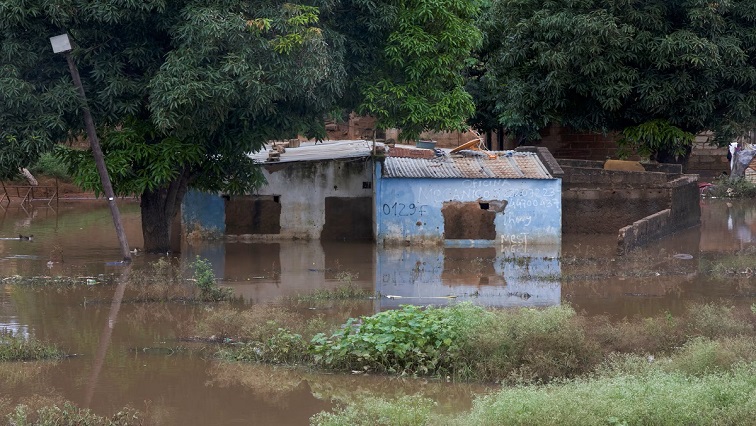
In Papua New Guinea, 16-year-old Taudibura Garo regularly misses lessons when a creek beside the school floods sanitation facilities and makes the premises unsafe. “Usually, the water comes up to our knees and floods the pit toilets, then it becomes unhealthy for us to stay at school, and we miss the lessons we are supposed to learn,” Garo said.
Papua New Guinea could experience further disruption as a strong El Niño climate pattern increases the risk of extreme weather.
UNICEF found that 75% of affected pupils lived in low-income and lower-middle-income countries, where education systems frequently lack resources to maintain schooling during climate emergencies.
Pakistan recorded one of the largest disruptions during 2025. Severe monsoon floods in August delayed the return to school for more than 28 million pupils.
A powerful Khamsin wind and dust storm also forced Egypt to suspend classes nationwide for one day in April, affecting more than 28 million pupils.
UNICEF Executive Director Catherine Russell warned that climate emergencies could produce permanent consequences for vulnerable children. “For millions of children, climate hazards do more than disrupt lessons, they destroy schools, uproot families and push the most vulnerable children, especially girls, out of the classroom for good,” Russell said.
Girls face greater dropout risks when disasters damage schools and sanitation facilities, displace families or reduce household income. Additional domestic and water-collection responsibilities can also make returning to school more difficult.
UNICEF estimated that pupils affected by climate-related education disruption in 2025 could collectively lose at least $200 billion in lifetime earnings.
Learning losses and higher dropout rates could also reduce workforce productivity, weaken economic growth and hinder efforts to reduce poverty.
UNICEF called on governments to invest in climate-resilient schools and education systems “to protect education for children today and for future generations”.
–UN/ChannelAfrica–


