


Reports from the European Union’s Copernicus Climate Change Service, the United States National Oceanic and Atmospheric Administration and the National Aeronautics and Space Administration confirmed the record.
The World Meteorological Organisation (WMO) said the Northern Hemisphere experienced the warmest summer on record, while the Southern Hemisphere recorded a near-record warm winter.
The global average surface air temperature during August was 1.65°C above the estimated pre-industrial level.
US data placed the temperature at 1.32°C above the 20th-century average, making August 2026 the warmest August in records dating back to 1850.
All 10 of the warmest Augusts have occurred since 2016.
Sea surface temperatures outside the polar regions reached a daily record of 21.11°C. Marine heatwaves affected the Atlantic coast of Europe and the western Mediterranean.
Both the Arctic and Antarctic recorded below-average sea ice coverage.
Global tropical cyclone activity was also above average, with 19 tropical storms developing during August. Five reached hurricane or typhoon strength, including four classified as major systems.
Western Europe experienced further heatwaves as an exceptional period of extreme heat, which began in May, continued.
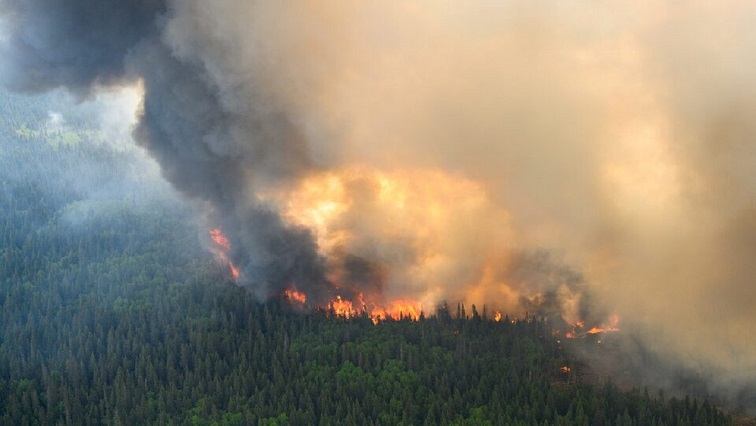
Severe drought affected France, Hungary, Romania, Serbia and the United Kingdom, while exceptionally low water levels were recorded in the Rhine, Danube, Southern Bug and Dnieper rivers.
El Niño also contributed to heavy rainfall and flooding in some countries while intensifying drought and seasonal wildfires in Indonesia.
“It is now firmly established and will intensify into a very strong event in the coming months, with big impacts on rainfall and temperature patterns well into 2027,” WMO said.
The organisation said there was a nearly 100% probability that El Niño would persist through February 2027, with the event expected to reach very strong intensity before peaking towards the end of 2026.
However, WMO cautioned that the strength of El Niño did not translate directly into the severity of effects in individual regions.
The organisation said governments and disaster management authorities should strengthen preparedness and early-warning systems as risks of extreme temperatures and shifting rainfall patterns increase.
WMO will present an updated assessment of global climate conditions at COP31 in Antalya, Türkiye, in November.
–UN/ChannelAfrica–


