

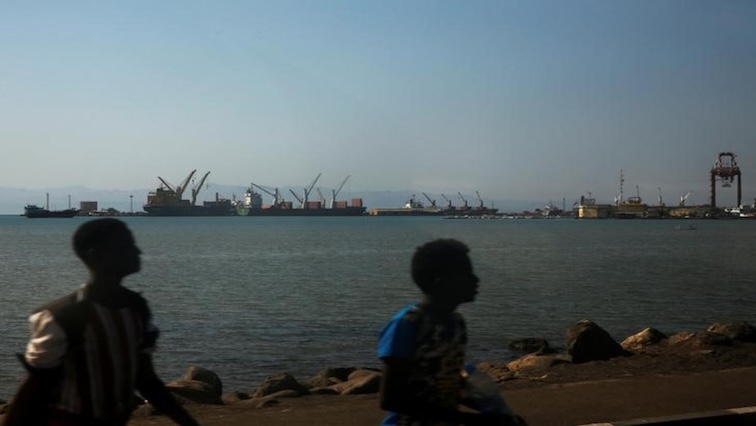
A World Bank Group Country Private Sector Diagnostic identified regulatory and policy changes needed to convert Djibouti’s strategic location, infrastructure and natural resources into broader economic development.
Djibouti recorded average annual economic growth of 5.3% between 2016 and 2024, supported by foreign investment in port infrastructure and the country’s role as Ethiopia’s main maritime gateway.
However, high electricity tariffs, limited financing, skills shortages and restrictions on competition have constrained private-sector growth. “Djibouti must now move from an economic model that monetises its strategic location to one that transforms this geographical advantage into productive capacity,” Minister of Economy and Finance Ilyas Moussa Dawaleh said.
“By combining infrastructure and connectivity with affordable energy, industry, digital services, modern logistics and exports, we can open a new chapter of development.”
Off-grid solar energy represents the largest investment opportunity. Investors have installed about 10MW of capacity since 2022, with further projects under preparation.
Commercial electricity costs $0.25 per kilowatt-hour, compared with an African average of $0.14. Reforms covering self-generation limits, power-purchase arrangements, sector regulation and skills development could unlock $390 million and create more than 8 500 jobs.
Djibouti’s eight operational submarine cables also create opportunities for data centres connecting Africa, Asia and Europe. Current capacity is nearing full use.
Energy, market-access and regulatory reforms could mobilise between $160 million and $240 million and generate 700 to 1 300 jobs.
Tourism reforms could attract between $66 million and $180 million and create 2 600 jobs. Attractions include Lake Assal, Lake Abbe and marine ecotourism. “Djibouti’s natural assets and infrastructure advantages are real, and the policy actions outlined here are the signal investors need to move from interest to commitment,” International Finance Corporation Vice-President for Africa Ethiopis Tafara said.
World Bank Vice-President for the Middle East, North Africa, Afghanistan and Pakistan Ousmane Dione said renewable energy, digital connectivity and tourism could expand Djibouti’s development beyond the traditional gateway economy.
The World Bank Group’s current Djibouti portfolio includes almost $500 million for energy, transport, digital transformation, education, healthcare, social protection, employment, skills and governance.
–WorldBank/ChannelAfrica–


