

The World Inequality Report 2026, supported by the UN Development Programme, found that the wealthiest 0.001%, about 56 000 people, hold three times more wealth than the poorest half of the global population combined.
The UN considers development broader than economic growth. Development includes economic, social, cultural and political rights, along with meaningful participation in decisions and fair access to opportunities.
The Declaration on the Right to Development, adopted by UN Member States in 1986, describes development as an “inalienable human right”.
The declaration states that every person should be able to “participate in, contribute to and enjoy” economic, social, cultural and political development. “The right to development is not about charity, but enablement and empowerment,” the UN said.
The principle places people at the centre of development and requires active participation, equitable distribution of benefits, non-discrimination and community control over natural resources.
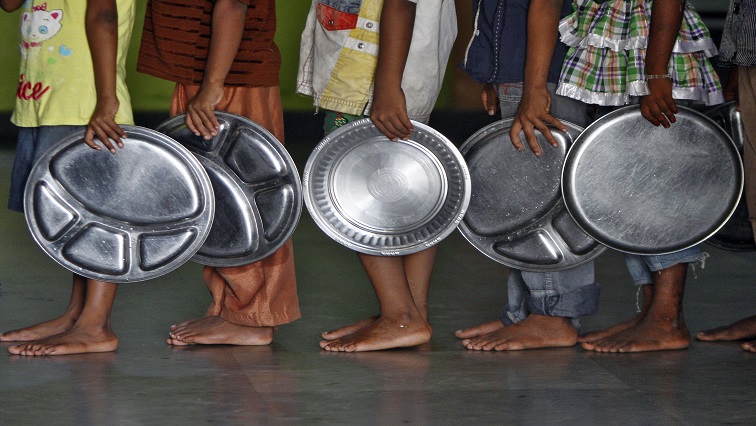
Unequal development has contributed to poverty, migration, social unrest and declining trust in institutions.
In Kenya, the approximately 60 000 members of the Endorois community were excluded from decisions to turn ancestral land around Lake Bogoria into a game reserve.
The community lost access to grazing areas and did not receive a fair share of the reserve’s economic benefits, contributing to the loss of livestock and livelihoods.
Unequal access to healthcare was also evident during the COVID-19 pandemic, when developing countries struggled to secure vaccines. “More than 600 000 deaths could have been prevented if all countries had been able to reach the World Health Organisation vaccination target by the end of 2021,” a UN official said.
“This failure was tragic and profoundly immoral.”
However, development programmes have produced positive outcomes in several countries.
Vocational training has helped women in Morocco establish income-generating activities, while Indigenous communities participated in Colombia’s peace process. Communities in Afghanistan, India and Palestine also received support to manage and share resources more equitably.
Disagreement over binding obligations, weak international cooperation and limited political will continue slowing progress.
The right to development has become increasingly relevant as climate shocks, conflict and migration deepen global poverty and inequality.
UN Member States will meet in New York on September 23 to mark the declaration’s 40th anniversary and discuss measures to expand opportunity, reduce poverty and ensure that development benefits all people.
–UN/ChannelAfrica–


