

In Pangani, where the Pangani River meets the Indian Ocean, seawater has travelled about eight kilometres inland, according to the United Nations (UN) Environment Programme (UNEP).
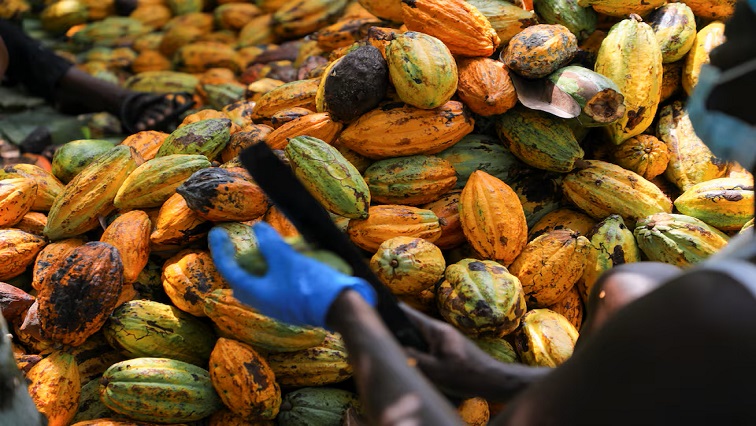
Farmer Buga Steven once harvested about 5 000 coconuts from local trees. Current harvests produce fewer than one-third of that number. “And they are much smaller than before,” Steven said.
Saltwater has damaged agricultural soil while mangroves have spread into areas previously occupied by coconut trees.
“Everyone living along the riverbanks where mangroves are growing should be given grants so they can move elsewhere,” Steven said. “Those areas have already been taken over.”
Farmer Iddi Hashimu Iddi said coconut trees had become unhealthy as salt moved inland.
“The trunks were much thicker and healthier,” Iddi said. “Productivity has dropped, the trees are unhealthy, and many are dying. Our income has also fallen.”
Coconut farming provided income for education, household needs and social responsibilities. Larger coconuts are now increasingly produced on higher ground.
Fishing communities have also been affected by erosion and changing marine conditions.
“In the past, we knew exactly what depth of water certain fish species preferred,” Fisherman Ali Hamis Daudi said. “Now the fish have moved.”
Nearly 770 million people worldwide live in coastal areas less than five metres above the high-tide line.
Global mean sea level rose by an average of 4.7mm annually between 2014 and 2023. The annual increase reached a record 5.9mm in 2024, driven mainly by melting glaciers, ice sheets and warming oceans.
“When saltwater enters inland areas and affects agriculture, it ultimately impacts food security as a whole,” UNEP Representative in Tanzania Clara Makenya said.
UNEP has supported mangrove planting, coral-reef restoration and seawalls, although conditions differ along the coastline.
“Infrastructure and nature-based systems complement one another,” Makenya said. “In Pangani’s case, this combined approach is likely to work best.”
Some residents want stronger coastal defences, while others believe relocation is unavoidable.
“The most important thing is for the government to compensate all of us who have been affected,” Iddi said. “Give us compensation and allow us to leave these areas behind.”
–UN/ChannelAfrica–


