

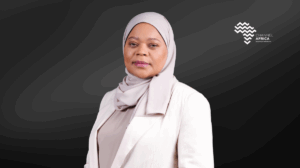
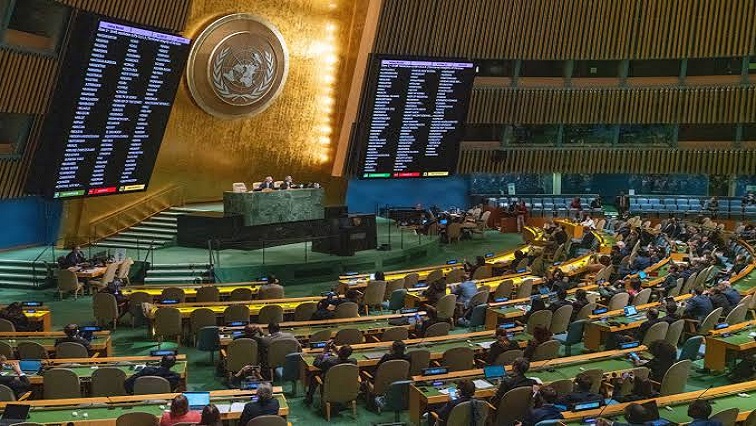
Addressing the United Nations (UN) General Assembly in New York, DRC Prime Minister Judith Suminwa said international demand for critical minerals should generate jobs, skills and industrial development in producer countries. “We cannot build a decarbonised economy through blood-stained minerals,” Suminwa said.
“And we will not bring about a just transition by reproducing a greenwashed version of our past dependencies.”
The DRC is the world’s largest cobalt producer and a major source of copper. Demand for cobalt, copper, lithium and nickel is rising as countries invest in renewable energy, electric vehicles, batteries, digital infrastructure and artificial intelligence.
However, Suminwa said communities supplying the minerals continued to experience insecurity, displacement and limited economic benefits. “It would be both unjust and dangerous for added value, jobs, know-how and technologies to remain concentrated far away from the communities that are making these changes possible,” Suminwa said.
The DRC rejected an economic model where producer countries supplied raw materials while processing, research, technology and most profits remained elsewhere.
Suminwa said the DRC wanted to work with African and international partners to build competitive regional industries capable of creating employment, developing skills and expanding shared prosperity.
The economic appeal came amid continuing insecurity in eastern DRC, where armed groups have intensified an already severe humanitarian crisis.
Suminwa accused Rwanda of supporting the Alliance Fleuve Congo/M23 Movement, an allegation Kigali has previously denied. Suminwa also identified the Allied Democratic Forces and CODECO among groups contributing to instability.
The Prime Minister pointed to the June 2025 peace agreement between the DRC and Rwanda as a possible route towards ending the violence.
However, Suminwa said “for millions of Congolese, this peace remains only a promise”.
Suminwa called for implementation of UN Security Council Resolution 2773, including an effective cessation of hostilities, the withdrawal of Rwandan forces and restoration of Congolese state authority. “We don’t need new texts to replace those that have already been adopted,” Suminwa said.
Suminwa also welcomed the repatriation of 120 people associated with the Democratic Forces for the Liberation of Rwanda, describing the development as an initial step in implementing a May disarmament and demobilisation protocol.
–UN/ChannelAfrica–


