


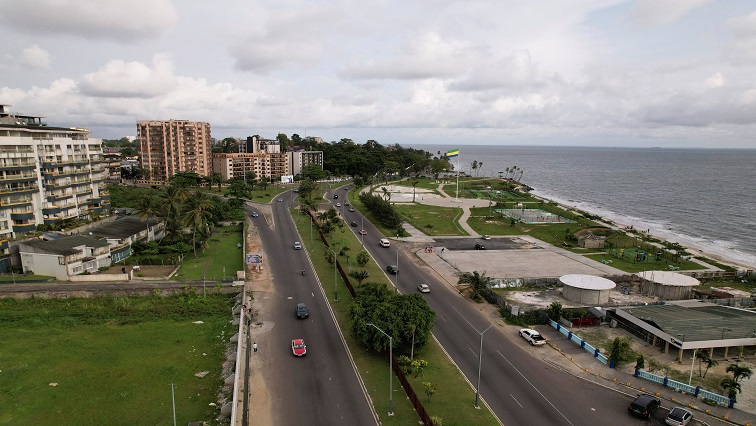
Energy Ministers from the six Economic and Monetary Community of Central Africa (CEMAC) Member States met in Libreville, Gabon, on September 25 to discuss the proposed CEMAC Energy Information System.
The meeting concluded a week of technical discussions involving the CEMAC, African Energy Commission (AFREC), World Bank and other partners.
Participants developed a roadmap covering governance arrangements, national focal points, data channels, production schedules, validation procedures and access to information.
World Bank support is being provided through the Statistics Harmonisation and Improvement Project for West and Central Africa. AFREC is providing technical assistance to strengthen national and regional energy information systems. “The role of this information system goes beyond the mere collection of data,” CEMAC Commission President Baltasar Engonga Edjo’o said.
Engonga Edjo’o said common protocols would standardise energy indicators, allow objective comparisons among Member States and support evidence-based regional governance. “The availability of reliable, harmonised, up-to-date and accessible energy data is today a strategic issue for Africa,” AFREC Executive Director Rashid Ali Abdallah said.
“Reliable data enables governments to understand their energy systems, anticipate future needs, plan investments, monitor public policies and assess progress in energy access and the energy transition.”
Gabon Minister of Universal Access to Water and Energy Philippe Tonangoye called for energy data that was consistent and sufficiently detailed. “We need data that is reliable, data that is regular, that is comparable and sufficiently disaggregated,” Tonangoye said.
Technical representatives met from September 21 to September 23 to assess the proposed system’s architecture, progress on national information systems and obstacles affecting data collection and validation.
The discussions found that improved information could support electricity-grid interconnection, regional infrastructure development and a more integrated Central African energy market.
CEMAC Commissioner for Economic, Monetary and Financial Policy Nicolas Beyeme Nguema said governments needed accurate data to forecast demand, assess subsidies, monitor costs and plan energy networks. “Investors require consistent information to assess projects and associated risks,” Nguema said.
–AU/ChannelAfrica–


