


Disruption to shipping through the Strait of Hormuz is increasing fuel, fertiliser and transport costs, contributing to higher food prices and placing humanitarian operations under additional pressure.
Under a moderate scenario, 22 million more people could become food insecure by December. Women and girls would account for 53% of those affected. UN Women stressed that the estimates were scenarios intended to support preparedness rather than forecasts.
About 208 million women and girls across the countries assessed were already food insecure or undernourished before the latest escalation.
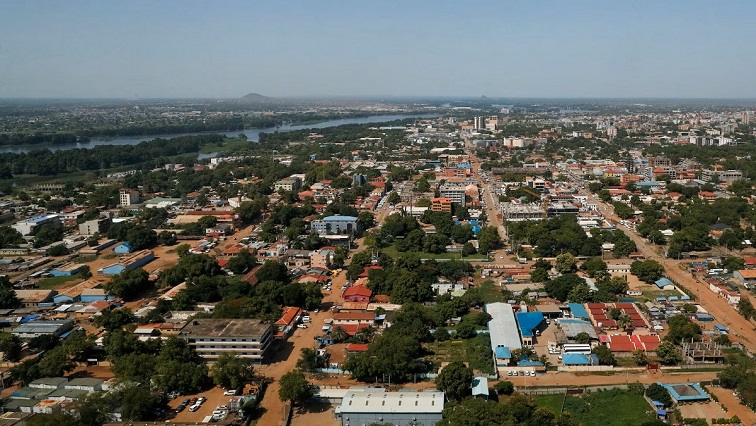
UN Women said South Sudan faced one of the most severe risks, with approximately 852 000 additional women and girls potentially experiencing food insecurity by December.
The figure represents about 14% of South Sudan’s female population, equivalent to roughly one in seven women and girls.
In Sudan, women and girls could account for 56% of those additionally affected.
UN Women identified Sudan and South Sudan as countries where severe hunger, displacement, humanitarian funding shortages and inequality were converging to magnify the shock.
The agency said women faced “double exposure” because higher prices affected household food purchases and agricultural livelihoods.
Women represent almost 40% of the global agrifood workforce. Agrifood systems account for at least two-thirds of women’s employment in sub-Saharan Africa and Southern Asia.
Rising fuel, fertiliser and transport costs could therefore reduce earnings while increasing household expenditure on food.
Under a combined scenario involving sustained food, fuel and fertiliser price increases alongside reduced humanitarian assistance, 26 of the 28 countries could face high or very high exposure to overlapping risks.
UN Women said the dominant pressures differed by country, meaning responses should be tailored to local conditions.
The agency called for stronger food and cash assistance, gender-responsive social protection, nutrition services and protection of agricultural livelihoods.
Women should also retain access to land, credit, farming inputs and essential services.
Agricultural support must reach producers before planting seasons to prevent higher input costs from causing smaller harvests and further food-price increases.
“Without early, coordinated and gender-responsive action, this escalation could deepen food insecurity and gender inequality well beyond the region,” UN Women said.
–UN/ChannelAfrica–


