


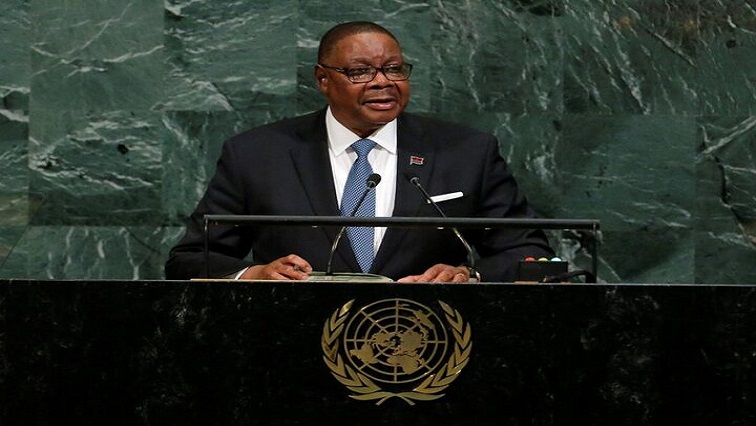
One year after President Peter Mutharika returned to power inheriting a severely distressed economy, Malawi is showing early signs of macroeconomic stabilisation, though broad-based recovery remains elusive.
In October 2025, the incoming administration faced acute fuel shortages, persistent power cuts, water scarcity, double-digit inflation, and mounting public debt compounded by severe drought. Twelve months on, independent economic assessments paint a mixed picture.
Speaking on Africa Update, Dr Bertha Bangara Chikadza, Senior Lecturer in Macroeconomics at the University of Malawi, noted that while headline inflation remains elevated above 20%, food inflation has seen a notable drop from 35% down to 20.4%. The decline has brought tangible relief to ordinary households and rural communities through lower staple food prices.
However, the broader economy remains under heavy strain. High non-food inflation, persistent foreign exchange shortages, and heavy public debt continue to disrupt basic services and business operations. A lack of foreign currency has restricted fuel imports and prevented manufacturers from securing raw materials, leaving many local companies operating at just 75% capacity.
On the fiscal front, government efforts to reduce domestic borrowing have helped narrow the budget deficit from 11% to around 8%. Nevertheless, economic growth for the year has been revised down to 2.6% due to El Niño-induced agricultural disruptions.
Chikadza points out that securing lasting stability over the next year will require urgent interventions to resolve the foreign exchange crunch, support the agricultural sector, and provide a sustainable foundation for debt restructuring and fiscal consolidation.
–ChannelAfrica–


