


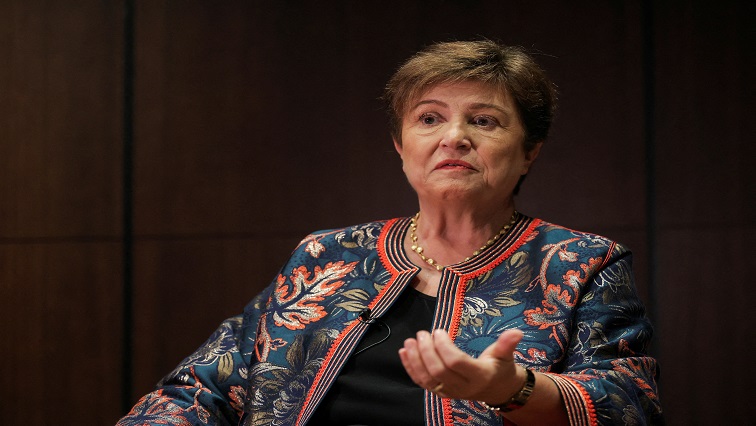
Speaking in Singapore ahead of the IMF-World Bank Annual Meetings in Thailand, Georgieva said policymakers from 191 countries would assess an uncertain global outlook shaped by conflict, inflation and rapid technological change. “The global economy is being pulled in two opposite directions: a negative energy supply shock and a positive demand shock from AI,” Georgieva said.
AI infrastructure is driving investment and trade, particularly in the United States (US), China, India and Asian economies supplying processors, memory chips, manufacturing equipment and robotics.
AI hardware and related technology products now account for more than 10% of global goods trade.
However, Georgieva warned that the boom was bypassing most countries and risked increasing global inequality.
Energy prices were simultaneously weakening growth and driving inflation. Oil remained near $100 a barrel, while limited refining capacity had pushed diesel and other refined-product prices to record levels.
Natural gas supplies from the Gulf also remained constrained as threats to shipping through the Strait of Hormuz reduced transport options.
“Winter is coming,” Georgieva said, warning that demand could increase as countries rebuilt reserves ahead of the Northern Hemisphere cold season.
Global public debt was meanwhile approaching its highest level since the aftermath of the Second World War and was expected to exceed 100% of gross domestic product.
Rising interest rates were increasing debt-servicing costs and limiting funding available for development, particularly in low-income countries facing shrinking aid flows and narrow tax bases.
“We cannot keep delaying necessary policy action,” Georgieva said. “You have the tools, now have the wisdom to use them.”
Georgieva called for tighter monetary policy where inflation remained above target and credible medium-term fiscal consolidation in highly indebted economies.
Governments should explain the need for adjustment, protect vulnerable communities and avoid measures that weaken future growth.
Structural reforms should improve workforce skills, expand access to patient capital, strengthen energy security and reduce unnecessary regulation.
IMF research suggests responsible AI adoption could add as much as 0.5 percentage points to annual global growth. “Love it, hate it or fear it, AI is here,” Georgieva said.
–IMF/ChannelAfrica–


