

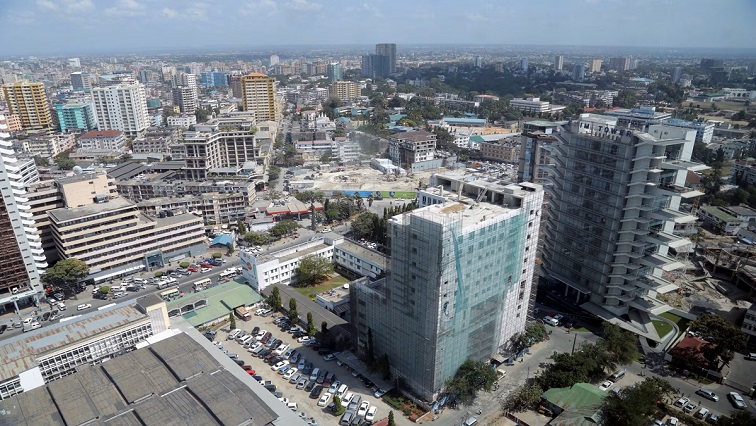
Government officials, development partners and AfDB representatives reviewed the portfolio during a workshop held in Dar es Salaam last month.
About 84% of the portfolio is concentrated in transport, energy, water and sanitation, reflecting AfDB’s role in Tanzania’s infrastructure programme.
However, only 39% of the available financing had been disbursed by September. The average operation had been active for 3.7 years.
Participants identified delayed government counterpart funding, limited oversight, lengthy procurement and disbursement processes and slow AfDB responses to “no objection” requests as barriers to implementation. “This Country Portfolio Performance Review is an opportunity for us to jointly take stock of what is working, address what is not, and reaffirm our shared commitment to delivering quality infrastructure and services to our people,” Tanzania Assistant Commissioner for External Finance Robert Mtengule said.
The workshop examined project management, procurement, financial controls, safeguards and monitoring. Discussions also covered gender inclusion and climate change.
Tanzania and AfDB reported progress in reducing operations facing significant implementation difficulties.
The proportion of red-flagged operations fell from more than 40% in March to 26% in September.
Persistent procurement problems affecting the Kakono Hydropower and Msalato International Airport projects were also resolved.
The meeting concluded with the adoption of a portfolio improvement plan for 2026/27.
AfDB Country Manager for Tanzania Mary Monyau said Tanzania’s ability to move beyond solely concessional African Development Fund financing and access non-concessional resources reflected improving creditworthiness.
Monyau said Tanzania was becoming an increasingly important contributor to economic activity in the East African Community.
Zanzibar Commissioner for External Finance Yussuf Ibrahim said improving project performance required joint responsibility from AfDB and government institutions. “We look forward to enhancing this collaboration, deepening joint oversight and working hand in hand with the Bank to translate the commitments made over these two days into faster, more effective delivery for our people,” Ibrahim said.
Tanzania’s economy grew by 6% in 2025, up from 5.5% in 2024, supported by agriculture, mining, construction, investment and consumption.
The workshop followed August talks calling for greater financing cooperation around Tanzania’s Vision 2050 priorities.
–AfDB/ChannelAfrica–


