


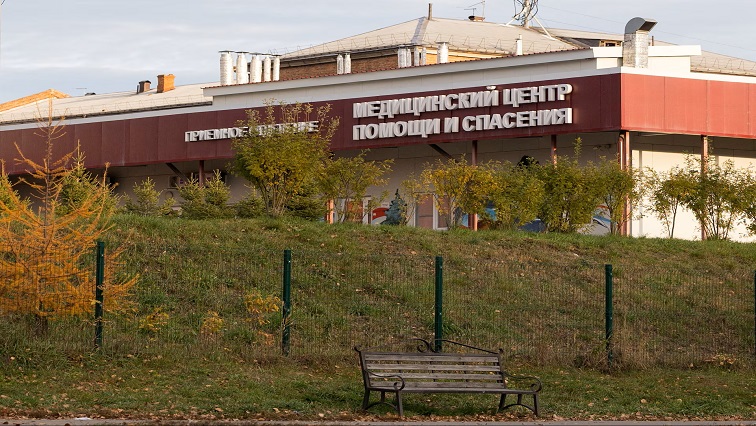
Russian regulators informed the WHO that tests had detected no pathogens and there was no evidence that pneumonic plague contributed to the death.
About 200 people who had contact with the technician have been quarantined as a precaution.
WHO Director-General Dr Tedros Adhanom Ghebreyesus said the UN agency had requested further information from Russian authorities.
The technician worked at an institute in Irkutsk that studies dangerous pathogens, including plague, which occurs naturally among wild animals in the region.
WHO began monitoring the situation and conducting risk assessments after reports emerged last week of a possible pneumonic plague outbreak.
WHO Epidemic and Pandemic Threat Management Department Director Dr Maria Van Kerkhove said the agency had requested details about laboratory tests and further analysis.
The request also covered media reports of another unexplained pneumonia death in the region. “We want to put out fair, factual information, and when we don’t have an answer, we say so,” Van Kerkhove said.
Van Kerkhove said heightened public concern was understandable following the COVID-19 pandemic, which killed more than 20 million people worldwide.
WHO has offered technical support to Russia and expects additional information from Moscow. The agency said further details would be released when available.
Plague is caused by the Yersinia pestis bacterium, commonly found in small mammals and fleas.
Nearly 4 000 infections and 423 deaths were reported across 10 countries between 2019 and 2025. Most cases occurred in the Democratic Republic of Congo and Madagascar.
Bubonic plague is the most common form of the disease. Pneumonic plague develops when the bacteria infect the lungs and can spread between people through respiratory particles.
Untreated pneumonic plague can be fatal within 18 to 24 hours after symptoms begin. However, commonly available antibiotics can cure the infection when diagnosis and treatment occur early.
WHO said plague could also spread through infected flea bites and direct contact with contaminated animal tissue.
Russian authorities continue monitoring the technician’s contacts while WHO awaits further laboratory and epidemiological information.
–UN/ChannelAfrica–


