

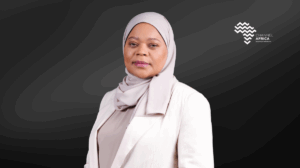
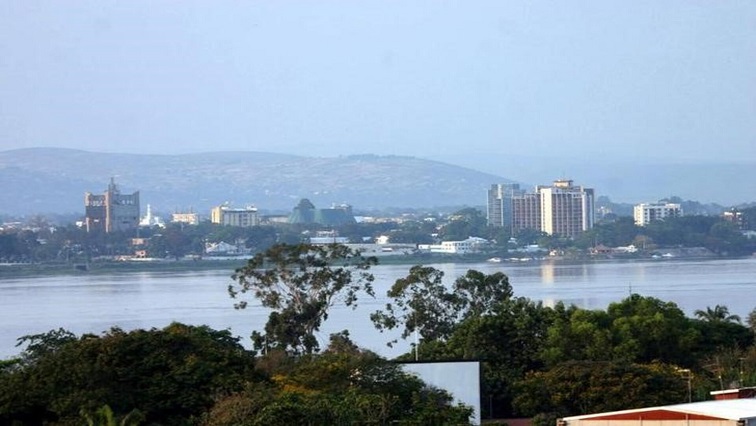
An IMF team led by Pilar Garcia Martinez visited Brazzaville from September 24 to October 7 for talks on policies that could be supported through an Extended Credit Facility arrangement.
The IMF also conducted the Republic of Congo’s 2026 Article IV consultation, which assesses economic developments, government policies and risks to the outlook. “The IMF team held constructive discussions with the Congolese authorities on economic and financial policies that could be supported by a new arrangement under the Extended Credit Facility,” Garcia Martinez said.
Discussions covered recent economic developments, implementation of the 2026 Budget and government spending plans contained in the draft 2027 Budget.
The IMF and Congolese authorities also examined measures to increase government revenue, improve expenditure management and strengthen commitment and cash controls.
Garcia Martinez said preventing the accumulation of new arrears would be important for strengthening fiscal resilience and improving debt sustainability.
Article IV discussions focused on policies that could support sustainable and inclusive economic growth.
The IMF called for tax exemptions and other tax expenditures to be rationalised, while fiscal risks and operational challenges in the electricity sector should be addressed.
Improving the business environment, increasing private investment and diversifying the economy beyond existing sources of revenue also featured in discussions. “The mission also held productive discussions under the 2026 Article IV consultation,” Garcia Martinez said.
“These focused on policies to support sustainable and inclusive growth, including through the rationalisation of tax expenditures, addressing fiscal risks and constraints to growth related to electricity-sector operations, improving the business environment, and promoting private investment and economic diversification.”
The IMF team met Prime Minister Anatole Collinet Makosso, Finance, Budget and Public Portfolio Minister Christian Yoka and Economy, Planning, Statistics and Foresight Minister Ludovic Ngatsé.
Meetings were also held with representatives of the Bank of Central African States, Parliament’s Economy and Finance Committee, public agencies, businesses, civil society organisations and development partners. “The IMF team and the authorities will continue their discussions in the coming weeks, with a view to reaching a staff-level agreement,” Garcia Martinez said.
–IMF/ChannelAfrica–


