
The World Meteorological Organisation (WMO), on Wednesday, warned that tropical Pacific sea-surface temperatures could rise to 3.8°C above average between November 2026 and January 2027.
A temperature anomaly of 0.5°C is sufficient to trigger an El Niño alert, while previous events reaching 3°C have caused substantial global disruption. “The current El Niño event could be unprecedented in strength, literally off the monitoring charts that we have used for the past four decades,” WMO Secretary-General Celeste Saulo said.
Saulo said the weather pattern was expected to peak towards the end of 2026, but the consequences could persist for months or years. “We are beyond that limit, out of our records, out of our statistics of what we can expect,” Saulo said.
UN Emergency Relief Coordinator Tom Fletcher warned that the event could bring extreme heat, droughts and floods across Latin America, eastern and southern Africa, Asia and the Pacific.
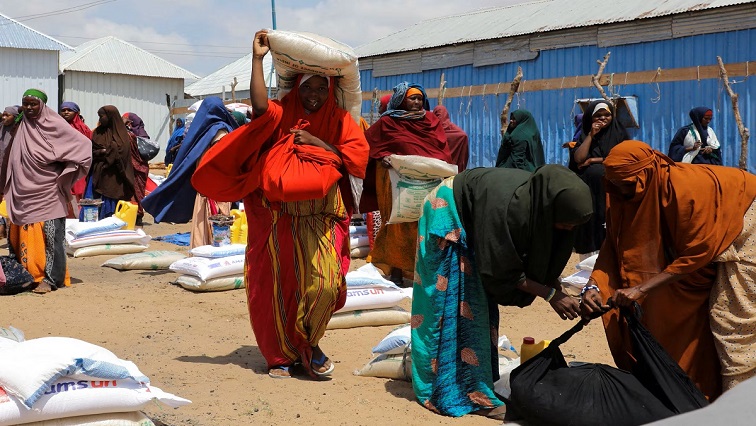
Somalia, Ethiopia and Kenya urgently require financing and supplies before heavy rainfall arrives. Southern African countries need seeds and support to protect livestock, while Central America requires assistance to safeguard livelihoods. “It would be an extraordinary failure to see this crisis coming, to hear the predictions from the experts, and yet still squander the opportunity to protect people in its path,” Fletcher said.
The severe weather pattern could cost African countries between $10 billion and $20 billion and reduce gross domestic product by between 1% and 2%.
The UN has released more than $50 million from the Central Emergency Response Fund to support preparedness in 11 countries, including Chad, Ethiopia, Somalia, South Sudan and El Salvador.
UN agencies are also supporting flood barriers in Chile, stronger shelters in Madagascar and Nigeria and community-led drainage systems in Yemen.
In Yemen, where more than 4 million people are displaced, partners supported construction of a 2.5-kilometre flood-diversion channel in Al-Hazm.
Saulo said early warnings and scientific forecasts provided governments with an opportunity to act before the weather pattern developed into a wider humanitarian disaster. “We have the scientific forecasts, the early warnings to save lives and protect livelihoods,” Saulo said.
–UN/ChannelAfrica–