
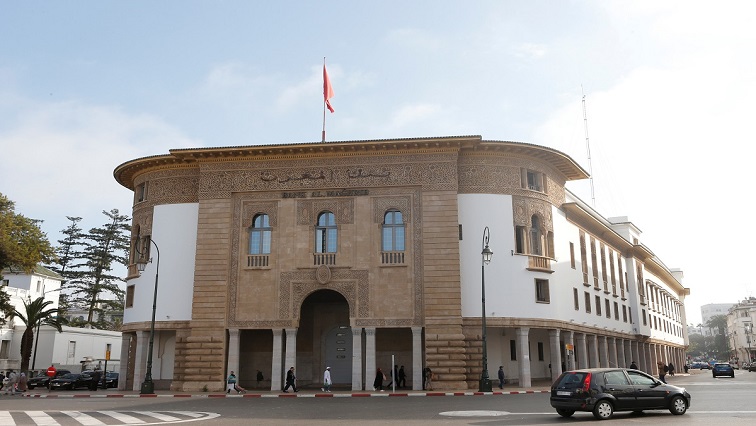
The IMF Working Paper examined how policy decisions by Bank Al-Maghrib affected output, inflation, interest rates, credit, exchange rates, asset prices and expectations between late 2006 and September 2025.
A one-percentage-point increase in the policy rate reduced economic output by about 0.3%, with the effect peaking after seven quarters.
Inflation declined by approximately 0.12%, with the greatest effect emerging after eight quarters.
Before 2018, the same interest-rate increase reduced output by about 0.1% and inflation by 0.05%.
However, Morocco’s response remained slower and weaker than in other emerging markets, where output typically declines by between 0.3% and 0.8% within two to six quarters.
The Report attributed stronger transmission to greater exchange-rate flexibility, improved central-bank communication and the legal designation of price stability as Bank Al-Maghrib’s primary objective.
Morocco widened the dirham’s fluctuation band from 0.3% to 2.5% in 2018 and to 5% in 2020.
The interest-rate channel remained the strongest part of the transmission system. Policy-rate changes moved through short-term government securities and bank lending rates, with pass-through ranging from 50% to 120% within one or two quarters.
Deposit rates responded less fully, with about 60% of policy changes transmitted during the same period. The effect on credit differed substantially across sectors. Short-term lending and credit to services declined after rate increases, while long-term and agricultural credit showed limited responses.
Bank loans account for more than 80% of financial claims on the Moroccan economy, making bank lending more important than capital markets in transmitting monetary policy.
The exchange-rate channel has also strengthened since 2018, with monetary tightening leading to a temporary appreciation of the nominal effective exchange rate and the dirham against the euro.
However, stock-market prices showed no significant response, while inflation expectations adjusted only gradually.
The IMF researchers called for deeper capital and foreign-exchange markets, stronger communication and improved transmission to deposits and longer-term lending.
–IMF/ChannelAfrica–