
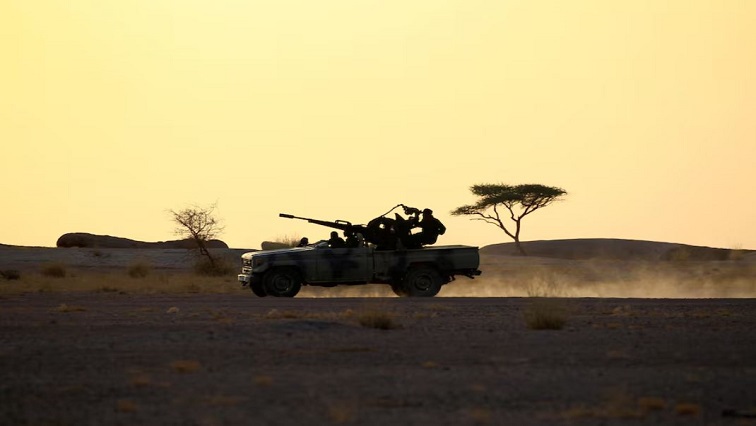
The UN Mission for the Referendum in Western Sahara (MINURSO) ceased operations on Sunday after the UN Security Council failed to renew the mandate.
Negotiations collapsed following Russia’s veto of a US-backed resolution and the rejection of a rival Russian proposal to extend the mission.
Established in 1991, MINURSO was mandated to monitor a ceasefire and organise a referendum allowing the people of Western Sahara to decide the territory’s future. The referendum, initially expected in 1992, was never held.
SA’s Department of International Relations and Cooperation Ministerial Spokesperson Phindile Kunene said SA regretted the Security Council’s failure to reach an agreement. “The end of the mission is certainly a setback, but it does not spell the end of the hopes or aspirations for self-determination on the part of the people of Western Sahara,” Kunene said.
Kunene said disagreement arose partly because some Security Council members were unwilling to preserve self-determination as the central purpose of the mission.
SA shares UN concerns that MINURSO’s closure could increase the risk of renewed fighting between Morocco and the Polisario Front.
Kunene also highlighted the plight of thousands of Saharawi refugees who had lived in camps for decades while awaiting a political settlement. “The people of Western Sahara have been in limbo ever since and have effectively been deprived of the opportunity to exercise a universally recognised right under the UN Charter,” Kunene said.
SA called on the UN Secretary-General and the next UN chief to continue supporting dialogue through diplomatic good offices.
International monitoring, inclusive negotiations and demining activities should continue despite the mission’s closure.
Kunene said the dispute also highlighted the need to reform the Security Council, where Africa lacked permanent representation and veto power despite African conflicts accounting for a substantial share of Council resolutions.
SA will continue raising Western Sahara in international forums and supporting mechanisms aimed at preventing renewed hostilities. “The end of the mission does not mark the end of the hope for, or the right to, self-determination,” Kunene said.
“Western Sahara represents the last remaining question of decolonisation on our continent.”
–ChannelAfrica–