
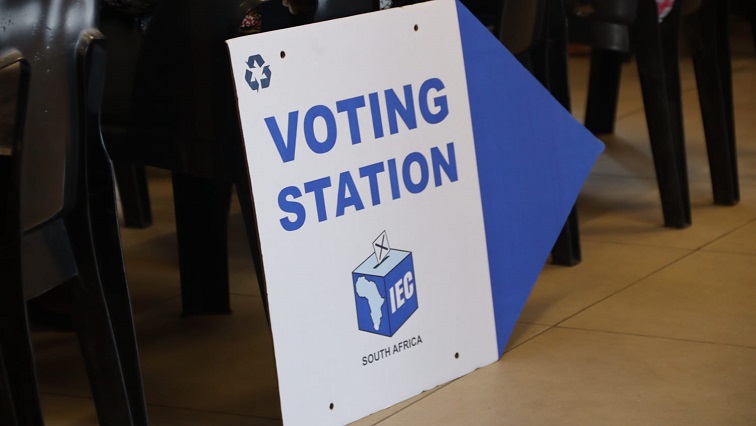
The Political Campaigns Resource Hub deployed 11 observers across key provinces and metropolitan municipalities from the start of the official campaign period in August.
Political Campaign Watch Project Lead Aaliyah Vayez said observers submitted more than 600 reports examining campaign tactics, messaging, posters, social media advertising, artificial intelligence-generated material and TikTok broadcasts.
The Report found that parties concentrated heavily on established supporters and traditional strongholds instead of persuading unregistered, undecided or habitually absent voters. “The missing voter is made up of those who are registered but have chosen not to vote and citizens who are eligible but have chosen not to register,” Vayez said.
“We estimate that group to be around 16.9 million South Africans who are essentially up for the taking by political parties.”
Vayez said limited use of voter data prevented parties from identifying where disengaged voters lived, what issues mattered most and which messages could encourage participation.
Young people were among the most politically engaged groups but were not consistently targeted through deliberate campaign strategies. “Parties don’t understand how many voters make up the 18-to-35 population, where that population resides or what appeals to that population,” Vayez said.
Voters wanted detailed commitments rather than broad promises about development and service delivery. “People want to know exactly what parties are going to do and by when. People want a realistic timeline,” Vayez said.
The Report also raised concerns about parties in government allegedly using municipal venues, transport and other public resources during campaigns.
Vayez said access to municipal resources could give ruling parties an unfair advantage over smaller opposition organisations with more limited funding.
The use of prominent national leaders in campaign material could also overshadow ward candidates whose names appear on local ballots. “You see President Cyril Ramaphosa on a political campaign poster instead of the ward candidate relevant to that particular ward,” Vayez said.
“The risk is that when citizens vote, Ramaphosa’s name will not be on the ballot. The ward candidate will be there, but will that candidate be recognised?”
The Report warned that campaign contact would not necessarily translate into votes without data-driven targeting, specific commitments and sustained follow-up.
–ChannelAfrica–