

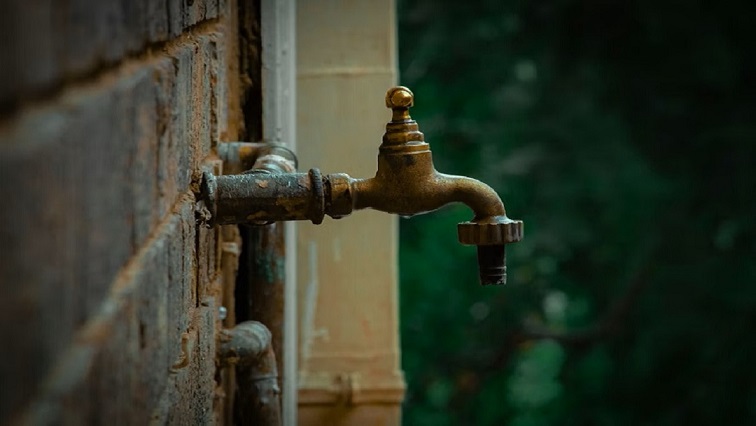
The SAHRC inquiry found that ageing infrastructure, water losses, inadequate storage and pumping capacity, electricity interruptions and failing wastewater systems were undermining water services.
Skills shortages and financial constraints were placing additional pressure on municipalities.
Speaking to Channel Africa on Wednesday, SAHRC Gauteng Provincial Manager Zamantungwa Mbeki said many communities were experiencing severe interruptions, while some had depended on water tankers for years. “The situation is very serious because many communities do not have water, but there are also communities that have never had water at all,” Mbeki said.
Mbeki identified non-revenue water as a particularly serious problem. Municipalities purchase treated water but lose significant volumes through leaking pipes, damaged infrastructure and other weaknesses before receiving payment. “That is water that is bought but is not being used. It is simply lost in the system, but municipalities still need to pay for it,” Mbeki said.
The Commission warned that water tankers should be reserved for emergencies and not become a permanent substitute for reliable infrastructure. “The amount of money used on water tankers compared with infrastructure is not balanced,” Mbeki said.
Funding should instead be directed towards infrastructure development, maintenance and the reduction of water losses.
Mbeki said primary accountability rested with municipalities because councils were directly responsible for providing water services to communities.
The Department of Water and Sanitation could issue directives and impose sanctions, but those measures would have limited effect if municipalities failed to comply.
The Commission recommended that financially distressed municipalities, including Rand West City, Emfuleni and Merafong, approach National Treasury for assistance because revenue collection remained below sustainable levels.
The SA Police Service should also investigate and prosecute deliberate damage to water infrastructure. “We cannot be fixing infrastructure while, on the other hand, people and systems are breaking that infrastructure,” Mbeki said.
Municipalities must provide the SAHRC with plans detailing how tanker dependence will be reduced or services brought under direct municipal control. “What we want to see are functional municipalities that are able to deliver clean and better services to residents,” Mbeki said.
–ChannelAfrica–





