
Representatives from more than 190 countries will gather in Antalya, Türkiye, from November 9 to November 20 for COP31 as extreme weather and a powerful El Niño increase pressure for faster climate action.
The Conference takes place as scientists warn that global warming is set to exceed the Paris Agreement’s 1.5°C threshold temporarily.
“Overshoot is not surrender. Overshoot should really lead to a much greater degree of urgency,” UN Special Adviser on Climate Action and Just Transition Selwin Hart said.
COP31 will focus on climate finance, adaptation, emissions reductions and implementation of a mechanism supporting a just transition to cleaner economies.
Türkiye will host and preside over the Conference, while Australia will lead negotiations in cooperation with Pacific Island countries.
Hart said expectations that every climate summit would produce a comprehensive agreement capable of solving the crisis were unrealistic. “There’s sometimes this expectation that COPs will always have this big grand deal that will solve the climate crisis. That’s not realistic,” Hart said.
However, technological progress provides grounds for optimism.
Electric vehicles accounted for fewer than one in 100 new cars sold globally a decade ago. The share reached one in four in 2025 and is expected to rise to 28% in 2026.
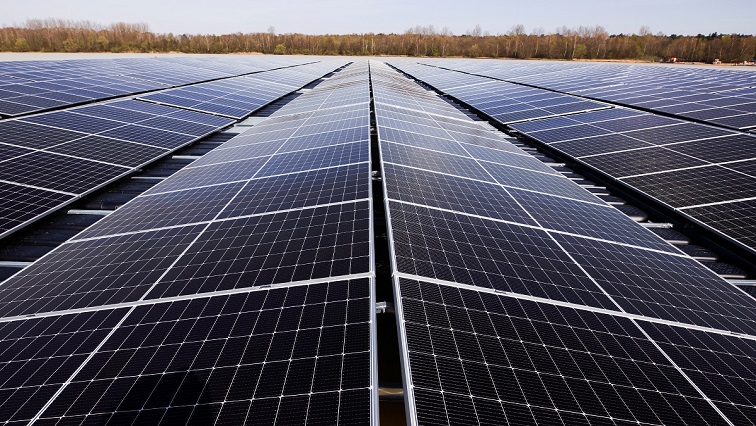
More than 600GW of solar capacity was added worldwide in 2025, representing over three-quarters of new renewable-energy capacity.
Global battery-storage capacity is 11 times higher than in 2021. Another 108GW was added in 2025, increasing annual deployment by 40%. “The world has never been better equipped to solve this challenge,” Hart said.
However, emerging and developing economies outside China received only 18% of global clean energy investment in 2025 despite accounting for nearly two-thirds of the global population.
Africa attracts only a small share of investment despite extensive renewable-energy resources, while about 600 million people remain without electricity.
Renewable projects in developing countries can face financing costs several times higher than identical projects in wealthier economies. “Our task now is to remove the barriers to implementation and faster action in these economies,” Hart said.
Hart called for financing solutions that did not further increase debt burdens, allowing developing countries to invest in clean energy while continuing to fund healthcare, education and climate protection.
–UN/ChannelAfrica—