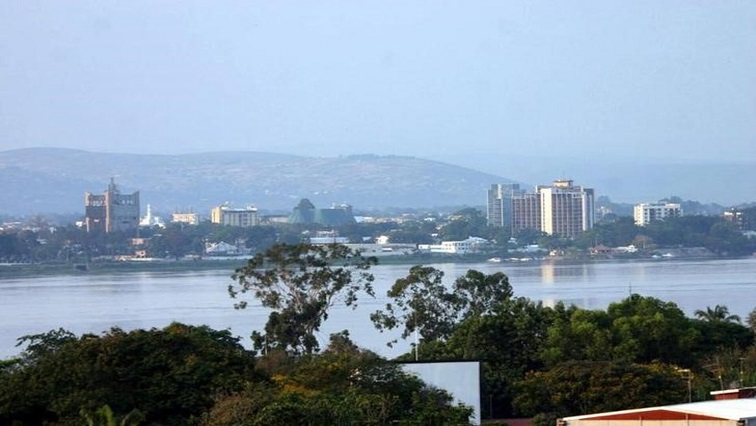
The 13th edition of the World Bank’s annual Economic Update on the republic, released on Tuesday, said the current oil windfall provided an opportunity to clear domestic arrears, improve debt management and support more inclusive growth.
Inflation is expected to rise to 3.8% in 2026, while the fiscal surplus is projected to increase from 0.6% of gross domestic product in 2025 to 3.7% in 2026.
However, growth is expected to slow to an average of 3.7% between 2027 and 2028 as oil prices gradually normalise.
The fiscal surplus is also projected to decline to 2.3% of gross domestic product during the period, while inflation is expected to ease. “Congo has a unique opportunity to turn today’s oil revenues into lasting fiscal resilience,” World Bank Lead Economist and Report Co-Author Rick Tsouck Ibounde said.
“The priority now is to break the cycle of arrears and fiscal vulnerability through stronger public financial management and economic diversification.”
The Report said reducing existing arrears and preventing new ones could restore private-sector confidence and ease liquidity constraints affecting businesses.
Clearing government payment obligations could also stimulate investment and employment while supporting a more diversified economy.
The Bank called for stronger debt and cash-flow management, tighter fiscal discipline and reforms preventing the re-emergence of arrears.
Without progress in those areas, lower oil prices could expose underlying economic vulnerabilities and weaken prospects for inclusive growth, the Bank warned. “The current oil windfall provides a critical window for action,” World Bank Division Director for the Republic of Congo Cheick F. Kanté said.
“By tackling arrears, improving fiscal discipline and strengthening debt management, Congo can move from a cycle of vulnerability to a path of fiscal resilience.”
The Bank said reforms introduced during the current period of elevated oil revenue would determine Congo’s ability to withstand future shocks and deliver sustainable growth.
The Bank concluded, saying, public financial management reforms and economic diversification were essential to ensuring that increased oil revenue produced lasting improvements in livelihoods and economic opportunities.
–WorldBank/ChannelAfrica–