

The Nigeria Centre for Disease Control and Prevention (NCDC) has completed the 21-day contact monitoring of all 62 individuals linked to the country’s imported Ebola case, with no secondary transmission recorded.
The Director-General of the NCDC, Dr Jide Idris, disclosed this on Friday in Abuja, adding that the index patient, who was medically evacuated to Switzerland on October 26, had recovered and been discharged from hospital.
Idris said the last contact completed the mandatory monitoring period on Friday, marking a major milestone in the country’s response to the outbreak.
He said 13 of the 62 contacts developed fever and other symptoms during the monitoring period, but all tested negative for the virus.
The NCDC boss also disclosed that seven suspected Ebola alerts reported in Adamawa, Rivers, Borno, Lagos and Ekiti states were investigated, with all cases testing negative.
He, however, warned that the completion of contact monitoring did not mean the outbreak had officially ended, explaining that Nigeria must complete another 21 days without a new confirmed case before the World Health Organisation can declare the country Ebola-free.
“Completion of the contact monitoring does not by itself constitute a formal declaration that the outbreak is over. Such a determination must be based on the applicable public health criteria and the findings of ongoing surveillance,” he said.
The NCDC chief explained that the index patient was initially treated in Nigeria before being evacuated to Switzerland for further medical care.
According to him, the patient remained positive after arriving in Switzerland but subsequently tested negative following treatment and was discharged.
Idris dismissed suggestions that the evacuation was prompted by a lack of confidence in Nigeria’s healthcare system, saying the private hospital where the patient was initially treated handled the case appropriately.
“It is not a matter of trust issues. The hospital here managed the case properly and as best as it could do,” he said.
He added that Nigeria and Switzerland had maintained communication throughout the treatment process to share information and experiences.
The NCDC boss said the national response was activated following an alert raised by healthcare workers through the agency’s event-based surveillance system.
He explained that the National Emergency Operations Centre was activated and an incident management structure established to coordinate contact tracing, clinical care, surveillance and infection prevention measures.
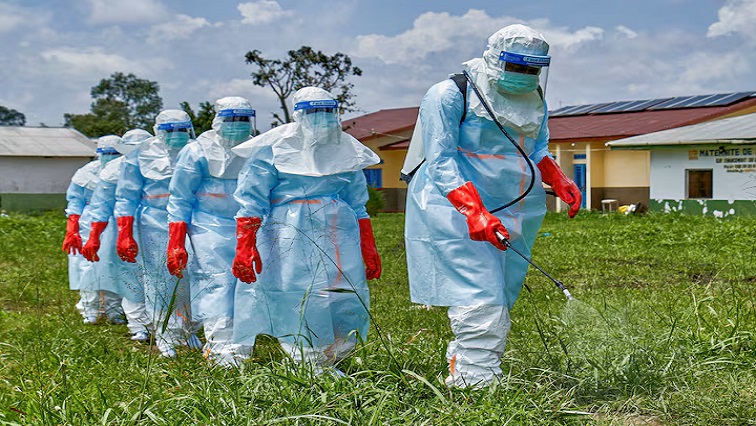
Idris said the response also involved the provision of personal protective equipment, training of healthcare workers and increased surveillance at international points of entry.
He disclosed that the National Emergency Operations Centre remained activated, with the Incident Management System operating at Level Three, the highest response level for Ebola.
The NCDC Director-General urged Nigerians to remain vigilant, particularly as the country approaches the December festive season, when increased movement and large public gatherings are expected.
“Do not assume that every fever is malaria, particularly if you have recently travelled or may have been exposed to an infectious disease,” he cautioned.
He advised travellers and members of the public to disclose their travel history and possible exposure to healthcare workers when seeking medical attention.
He also urged organisers of religious gatherings, political rallies, concerts, festivals and sporting events to provide adequate sanitation, safe drinking water and medical assistance, while ensuring prompt reporting of suspected illnesses.
Idris further called on healthcare workers in public and private facilities to maintain a high level of suspicion, observe infection prevention measures and report suspected cases without delay.
Earlier, the Mandate Secretary of the Health Services and Environment Secretariat of the Federal Capital Territory (FCT) Administration, Dr Adedolapo Fasawe, said the outbreak was detected through the vigilance of a private hospital in Abuja.
Fasawe said the facility contacted the FCT Epidemiological Unit after identifying a suspected Ebola case based on the patient’s travel history.
She explained that the FCT Rapid Response Team was immediately deployed to the hospital, while members of the team underwent isolation after coming into contact with the patient.
“The team completed their three-week isolation. They are well and they are here today,” she said.
Fasawe commended the NCDC, the Federal Ministry of Health, development partners and the FCT Administration for their collaboration in containing the threat.
She also appealed to private hospitals in the FCT to promptly report suspected infectious disease cases to the relevant authorities.
The Mandate Secretary said healthcare facilities had been briefed on the procedures for reporting suspected cases and could contact the NCDC emergency line or the FCT health authorities whenever necessary.
Nigeria confirmed the imported case of Bundibugyo virus disease, a strain of Ebola, on October 20, 2026, following investigations initiated after the private hospital raised an alert.
–MatthewAbi/ChannelAfrica–





