
Tanzanian President Samia Suluhu Hassan and Ugandan President Yoweri Museveni reached the agreement during Hassan’s two-day state visit to Uganda.
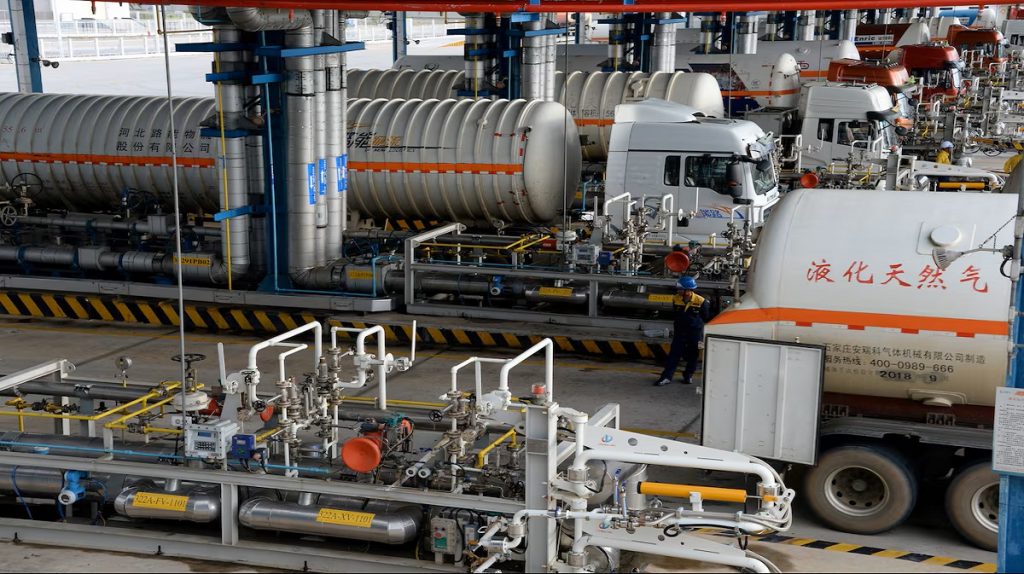
The 1 443-kilometre East African Crude Oil Pipeline (EACOP) is 93.9% complete. The pipeline begins in Hoima, Uganda, and extends to the Tanzanian port city of Tanga.
The leaders also discussed developing Tanga into a regional energy hub, improving cross-border electricity connectivity and accelerating development of the Standard Gauge Railway (SGR).
Talks further covered the removal of tariff and non-tariff trade barriers, the expansion of market access and improvements to the movement of goods and people between Tanzania and Uganda.
Speaking to Channel Africa on Thursday, Scholar of Religion and Politics Dr Jacob Katumusiime said relations between the two countries were based on longstanding historical ties.
“Uganda and Tanzania are historical allies,” Katumusiime said. “Tanzania was one of the shoulders that Uganda leaned on heavily to overthrow the Amin Government in the 1970s.”
Katumusiime said Hassan had visited Uganda several times since becoming President of Tanzania. The latest meeting demonstrated the two leaders’ interest in strengthening the East African Community and improving trade relations.
Katumusiime said political cooperation between Tanzania and Uganda was important because regional integration had not yet been fully reflected in the social, economic and political lives of East African communities. “We have a regional bloc called the East African Community, but this regional bloc remains more of a reality on paper or in the minds of East African Presidents than in the social, economic and political realities of the states and communities involved,” Katumusiime said.
The shared EACOP project made close cooperation between Tanzania and Uganda necessary, according to Katumusiime.
Katumusiime said the pipeline was expected to generate revenue, create employment and strengthen the economies of both countries. The economic effect would, however, depend on how the project and resulting revenue were managed. “There is an expectation of a significant increase in the revenues of the two countries and that the economies of these countries will be boosted,” Katumusiime said.
“If well utilised, the revenues could establish some level of economic independence, especially for Uganda, which is presently heavily in debt.”
Katumusiime warned that corruption and the mismanagement of revenue could prevent the expected benefits from reaching citizens.
The talks between Hassan and Museveni also addressed barriers affecting cross-border commerce. Katumusiime said traders had faced heavy taxes, additional fees, permit requirements and delays while transporting goods across the Tanzania-Uganda border.
Ugandan products, including sugar, milk and iron sheets, had encountered difficulties entering Tanzania, according to Katumusiime. “The complaints we continually see are about unnecessary barriers, extra fees levied at the borders and some goods taking a long time at the borders for different forms of verification,” Katumusiime said.
“These permits introduced at the borders make it difficult for trade to continue.”
Removing the barriers would support traders operating between Tanzania and Uganda and improve the transportation of goods passing through Tanzania to other countries.
Katumusiime said the delays needed to be reduced or removed to allow trade between the countries to proceed more efficiently.
The planned development of Tanga could also strengthen Tanzania’s position in the regional energy sector.
Katumusiime said the effect of the proposed energy hub would depend on how the infrastructure and related investments were managed.
“We believe that this could turn Tanzania into a powerhouse in East Africa,” Katumusiime said. “How the regional hub is managed will determine how this works out.”
Infrastructure projects such as EACOP, the SGR and cross-border electricity connections could contribute to greater regional integration and create a sense of shared achievement among East African countries.
Katumusiime said local communities needed to be included in discussions and decisions about the projects. “The challenge is that while the Presidents are meeting for the benefit of local communities, the people themselves are not involved in these discussions,” Katumusiime said.
“The discussions remain behind closed doors.”
Katumusiime called on leaders promoting regional integration to engage communities directly instead of making decisions without public participation. “Leaders involved in advancing the East African Community idea need to begin thinking with the people and not always thinking for them,” Katumusiime said.
“Otherwise, these will remain ideas on paper and in the minds of the Presidents until they reach the local communities.”
–ChannelAfrica–