
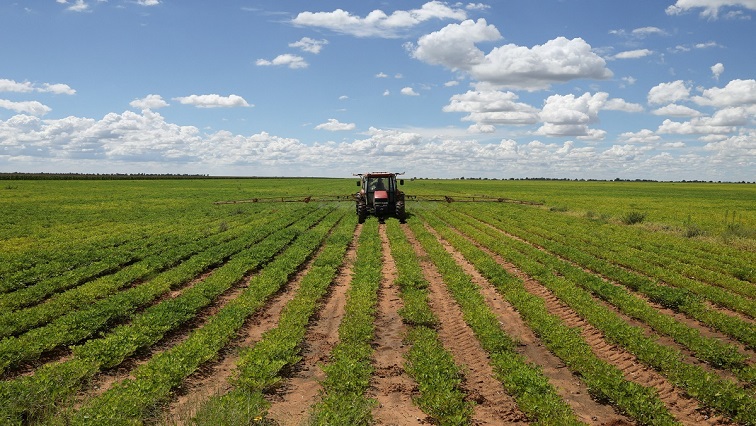
Farmers in Mpumalanga province in South Africa (SA) have raised concerns over changing weather patterns associated with the El Niño phenomenon, warning that this could negatively affect agricultural production and their livelihoods.
This comes as the SA Weather Service (SAWS) says the country is currently experiencing El Niño conditions.
Farmers say reduced rainfall and water shortages could force them to buy water to sustain their agricultural activities, increasing production costs.
Mpumalanga’s agricultural sector plays an important role in the provincial economy, with the province boasting vast tracts of fertile land and supporting a variety of agricultural activities.
However, farmers are increasingly concerned about the impact of changing weather patterns following the SAWS’ announcement of El Niño conditions.
They warn that reduced rainfall and extreme weather conditions could negatively affect crop production and other farming activities, potentially resulting in financial losses.
“El Niño is becoming a pandemic of which, as a farmer it is going to affect us economically. So, looking at the kind of farming that we do, we are in the aqua-conic system, we use a lot of water and now you have to source out water if it’s not raining,” says one of the farmers.
Another farmer says; “We have just lost a hector, a full hector worth of spinach to the hail and we are also dealing with challenges of the borehole and then the extreme heat and that is our reality at the moment.”
University of Mpumalanga Professor Wisemen Chingobe says El Niño is a climate phenomenon that influences weather patterns. He says the conditions could disrupt the agricultural season and affect farming activities.
“ El Niño is an important climate phenomenon that can influence these conditions particularly across Southern Africa. Its development is often associated with increased probabilities of below normal rainfall and above normal temperatures in parts of the region especially during the summer rainfall season. So, for agriculture this combination is particularly concerning, reduced rainfall affects moisture, water available and crop establishment, while elevated temperature increases evaporation and crop water demand. So, the important point is that El Niño is not simply a weather event, it is a large-scale ocean atmosphere interruption with consequences that can extend across the entire agricultural seasons.”
—SABC—