

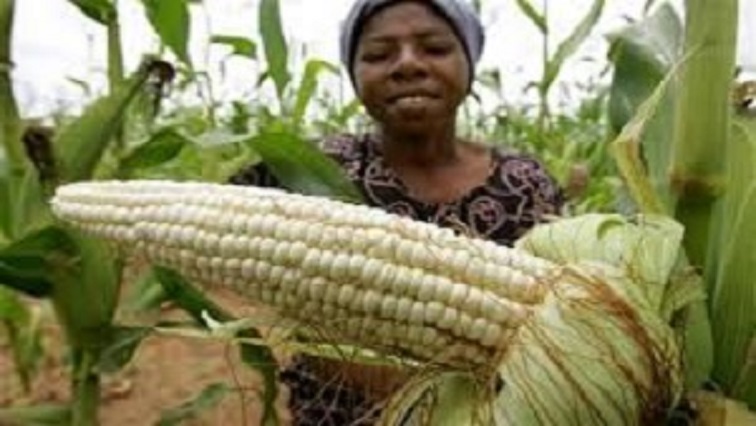
Zimbabwe has reportedly lifted its temporary ban on maize imports this month, just weeks after imposing the restriction in August to support local farmers following a bumper harvest.
The move comes as concerns mount over domestic shortages, with experts warning that local production has failed to meet national demand.
In an interview, Wandile Sihlobo, Chief Economist at the Agricultural Business Chamber of South Africa (Agbiz), said it remains unclear whether the ban has been formally lifted. However, recent maize inflows from South Africa suggest that import restrictions may have been relaxed.
“As we speak, it’s not yet officially clear if Zimbabwe has lifted this ban or not,” Sihlobo said. “But we began to see maize moving from South Africa (SA) to Zimbabwe around September 26, which raises questions about whether the policy has changed.”
Zimbabwe relies heavily on maize as a staple crop, requiring around 2 million tons annually for both human and livestock consumption. According to Agbiz estimates, the country harvested approximately 1.3 million tons in 2025, an improvement from last year’s poor crop of just over 600 000 tons but still leaving a shortfall of about 700 000 tons.
Sihlobo noted that the government’s earlier decision to block imports aimed to protect local farmers by stimulating domestic prices. However, the policy has strained consumers, as maize prices in Zimbabwe have been about 20% higher than in neighbouring countries such as SA and Zambia.
“From a farmer’s perspective, the ban made sense because it encouraged local sales,” he explained. “But from a consumer perspective, it was difficult, as they faced higher prices and limited options.”
He added that Zimbabwe’s long-term production challenges stem from the early 2000s land reform, which disrupted large-scale commercial agriculture and discouraged investment.
“Since the early 2000s land reform, investments have fled the agricultural sector. Yields remain very low, Zimbabwean farmers produce around 0.5 tons per hectare, compared to 6 tons across the border in SA,” Sihlobo said. “This difference comes down to technology, improved seed varieties, and fertiliser use, all of which require investment and policy support.”
Sihlobo predicts that Zimbabwe will likely import maize from SA and Zambia, given ongoing production problems further north in Malawi, which is also struggling with food shortages.
He emphasised the need for Harare to strengthen its agricultural sector ahead of the next planting season, which begins this October, to reduce reliance on imports.
“It will be useful for the government to continuously support farmers this season.
–ChannelAfrica–


