
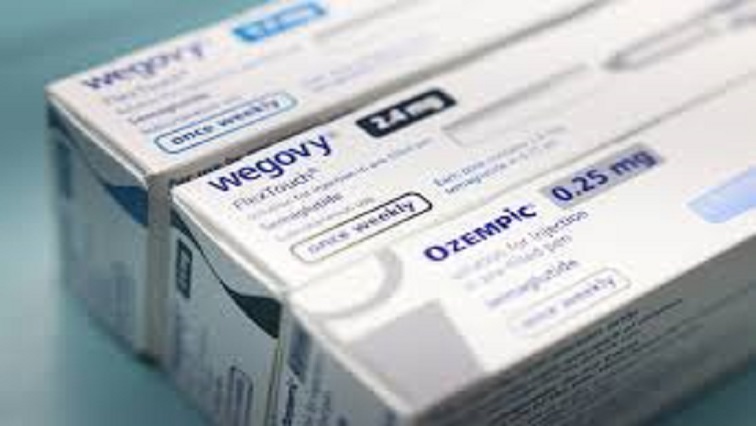
The global rise of anti-obesity medications such as Ozempic and Wegovy is transforming how people think about weight loss and overall health, according to experts in the field.
With over 120 new drugs in development, science is providing alternatives that go beyond slimmer waistlines to reduce the risk of heart disease, respiratory issues, and other health complications.
Mohamad Turk, Quality Manager at Istanbul-based Splash Clinic, spoke to Channel Africa about the evolution of obesity treatment. “Ten to fifteen years ago, surgical options such as gastric sleeve, gastric bypass, and gastric balloon were the primary solutions for obesity,” Turk explained. “Now, non-surgical treatments like GLP-1 receptor agonists are being used to help patients lose weight by mimicking natural hormones in the body.”
These medications slow digestion, reduce appetite, and make users feel full sooner. Originally developed to treat type 2 diabetes, their weight-loss effects have made them popular worldwide. “Patients can lose 15% to 20% of their body weight without surgery,” Turk noted. “They also benefit from improved blood sugar, cholesterol, and blood pressure.”
However, Turk cautioned that these drugs are not without risks. Long-term effects include potential muscle loss, nausea, vomiting, and stomach discomfort. Patients often regain weight once they stop the medication, and costs can exceed $1 000 per month in some countries. “These medications are not a permanent cure for obesity,” he said.
Splash Clinic prioritises bariatric surgery for long-term results, focusing on gastric sleeve and gastric bypass procedures. Turk emphasised lifestyle changes alongside surgery to ensure lasting benefits. “Weight loss is not just about a procedure or a pill; it’s about improving habits, nutrition, and overall health,” he said.
Turk concluded by advising patients to seek professional medical guidance rather than self-administering medications. “Your health is the most important investment in your life,” he said.
–ChannelAfrica–


