
In an executive order on Thursday, Trump slapped new tariff rates ranging from 10% to 41% on dozens of countries as he seeks to reshape global trade on more favourable terms for the US.
The order said the higher import duty rates would take effect in seven days.
SA has tried for months to negotiate a deal with Washington and offered to buy US liquefied natural gas and invest $3.3 billion in US industries in exchange for lower tariffs.
But the effort was unsuccessful, even after Pretoria made a last-minute attempt to improve its offer.
SA’s Trade Minister Parks Tau said the higher tariff was a threat to the country’s export capacity, particularly in key sectors such as automotive, agro-processing, steel, and chemicals.
“We are working with urgency and resolve to implement real, practical interventions that defend jobs and position SA competitively in a shifting global landscape,” Tau said in a statement late on Thursday.
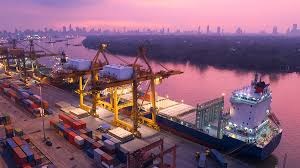
The US is SA’s second-largest bilateral trading partner after China. SA’s top exports to the US include cars, iron and steel products, and citrus fruits.
The tariff hike underscores how SA’s strained relations with Washington are now having economic consequences.
SA officials have said that their trade negotiations with the US were closely intertwined with geopolitical and even domestic policy issues, including SA’s affirmative action law which Trump disapproves of.
The US government is also unhappy with SA for bringing a genocide case against Israel at the World Court, and for its land reform policy which aims to address racial inequality in land ownership that is a legacy of apartheid.
Trump has falsely claimed that the SA government is seizing white farmers’ land.
–Reuters–


