

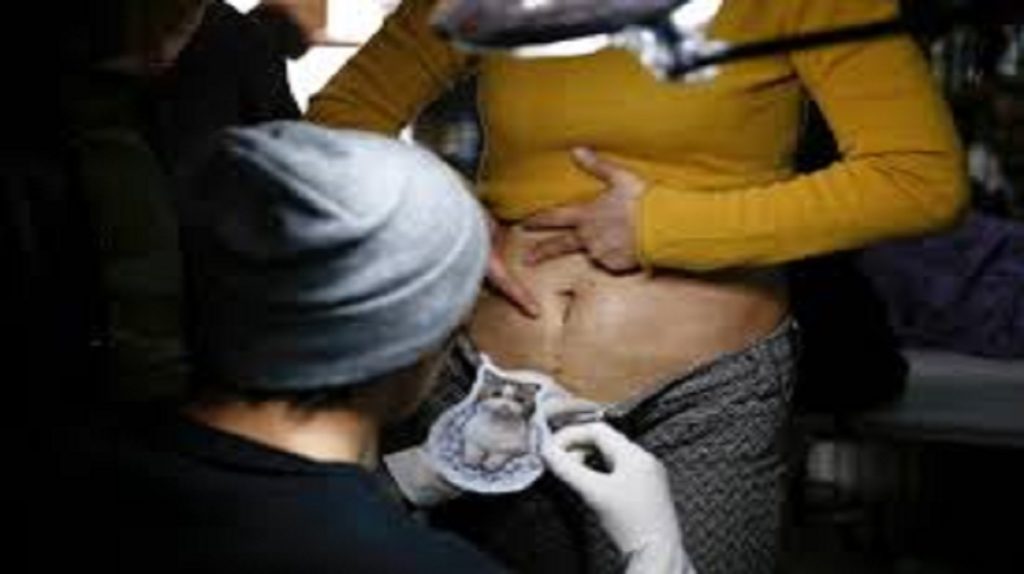
Scars often carry memories of the past, from childhood accidents to medical procedures or painful experiences that leave more than physical marks. Across Africa, a growing number of people are turning to modern aesthetic treatments to help them heal both inside and out. One such treatment, known as scar camouflage, is offering hope to those who wish to reduce the visibility of scars and restore confidence.
Dr Kgoale Moabelo, medical doctor and founder of Vyta Aesthetics in Pretoria South Africa, explained during an interview on The Upside that aesthetic medicine is about much more than vanity. She said aesthetics is about fixing imperfections and helping people feel whole again. Scars, she explained, can affect how individuals see themselves even if they are not responsible for how they got them.
Scar camouflage, also called medical tattooing, involves implanting pigment into the upper layers of the skin to match the surrounding tone. The method uses advanced equipment and colour-matching technology to blend scars, stretch marks or pigmentation loss such as vitiligo. The results are immediate and last between two and three years, offering a non-invasive alternative to laser therapy or surgery.
Moabelo noted that not all scars can be treated right away. Some may need preparation such as steroid injections or microneedling to flatten the surface before camouflage can be applied. She added that people of colour are increasingly embracing aesthetic medicine as awareness grows and stigma fades.
She said many Africans used to think that treatments such as Botox or fillers were not meant for them but this perception is changing. The key, she explained, is to start with one’s biggest concern and build confidence from there. Vyta Aesthetics offers various services including scar repair, skin rejuvenation and hair transplants, attracting both local and international clients.
Moabelo said healing is not only physical but also emotional. Many of her patients come to her after years of carrying invisible pain alongside their visible scars. Her clinic uses what she called a biopsychosocial approach, addressing both the body and mind in the healing process.
She warned against the rise of unqualified practitioners and online products that promise quick fixes. Aesthetic medicine, she said, requires professional training and should be handled by licensed experts to avoid permanent damage.
Scar camouflage and similar treatments reflect a wider movement of self-acceptance across the continent. For many, it is not about vanity but about reclaiming confidence and rewriting personal narratives.
–ChannelAfrica–


