

The concept of a name as a mere label unravels quickly within African traditions, where naming serves as a profound cultural anchor. Take the isiZulu name Thubelihle, meaning “beautiful opportunity”, a phrase that frames a newborn child not just as a blessing, but as a magnet for grace and prosperity.
Across the continent, names like Nomzamo, Olufemi, and Ndivhuwo act as repositories of memory, identity, and intent. They represent the very first gifts given to a child and the foundational story they inherit.
During a recent interview on The Journal show, the deep significance of indigenous naming practices, cultural experts explored how these traditions carry the values, histories, and worldviews of African communities.
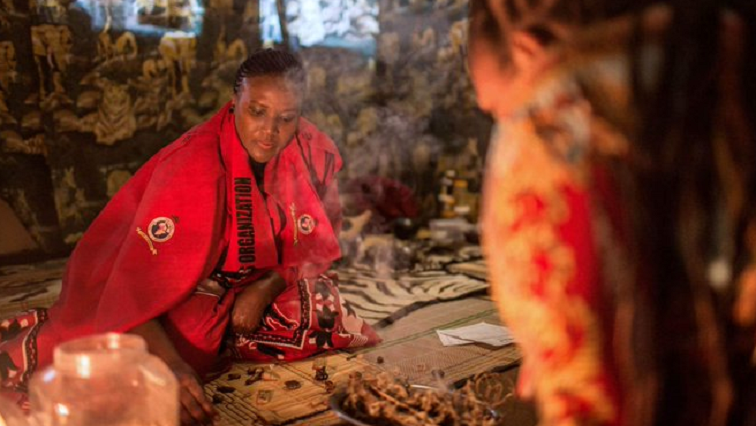
Mkhulu Nobamba Zulu, founder of the Kwa-Nobamba Family Spiritual and Mental Wellness Institute, rooted the custom in what he described as African cultural spirituality. He highlighted that oral tradition makes storytelling central to identity, rendering every child the living continuation of an ancestral narrative. Traditionally, naming a child after an elder or ancestor ensured the bloodline’s legacy remained unbroken.
Mkhulu noted that colonial systems deliberately interrupted these customs by imposing foreign names to sever historical ties. However, he pointed to a growing “spiritual revolution” today, particularly among younger generations who are actively reclaiming indigenous names to reconnect with their heritage and lineage.
Adding a Nigerian perspective, cultural consultant Asabi Olorunniyi reinforced the spiritual weight carried by names, drawing on Yoruba tradition. He noted that names often reflect the circumstances of a child’s birth or invoke ancestral returns, such as Babatunde, which signifies that a forefather has returned.
Olorunniyi raised concerns about a modern shift toward picking westernised or trendy names purely for their aesthetic sound, rather than their meaning. He argued that because a name is spoken over a person repeatedly throughout their life, choosing one without cultural or spiritual grounding risks disconnecting the child from their roots and lineage.
Ultimately, both experts agreed that indigenous naming is far more than a routine task for parents. It remains a vital mechanism for preserving history, honouring ancestry, and shaping a child’s future path.
–ChannelAfrica–


