


Africa has emerged as one of the most dynamic regions for travel and hospitality, sparking an aggressive wave of growth, investments, and acquisitions from major global hotel chains. Lee-Anne Bac, Director at BDO, outlined this rapid expansion, revealing that there are currently more than 100 000 hotel rooms under development across the continent.
According to Bac, global players like Radisson, Marriott, and Hyatt are actively seeking expansion opportunities, while Hilton is notably looking to triple its investment footprint in the region. This influx of foreign capital is heavily concentrated in key contributing nations, including Egypt, Morocco, Nigeria, Kenya, and South Africa (SA). Bac noted that international investors increasingly view the continent as a vital investment frontier rich with economic potential.
The driving force behind this development wave is a massive shift in post-pandemic traveler behavior, specifically the rise of bleisure travel, where visitors combine business trips with leisure experiences. Modern travelers are moving away from the uniform, cookie-cutter hotel rooms of the early 2000s in pursuit of highly immersive and authentic experiences. To meet this demand, local developments are exercising creative freedom by incorporating regional interior decor, local music, traditional entertainment, and localised spa products into previously stark corporate spaces. Bac emphasised that instead of copying international styles, each African region must lean into its own unique vibe to capture this experiential market.
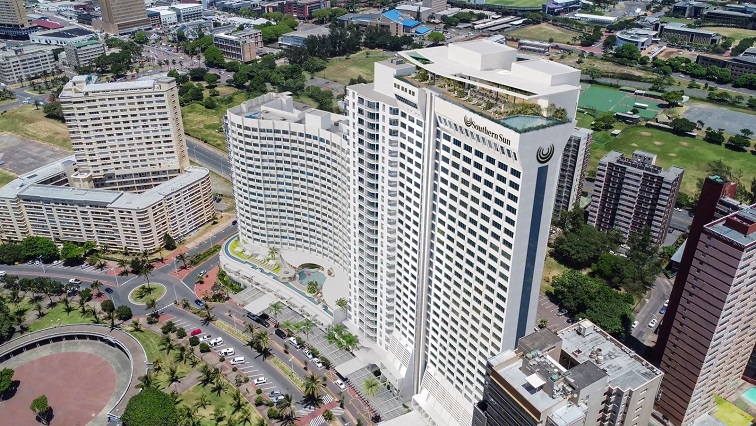
While international brands are dominating headlines, the continent is also expanding its own domestic hospitality ecosystem. Bac highlighted several prominent, homegrown African hotel groups that are actively investing and scaling their footprints across borders, including Cresta Hotels from Botswana, Sunbird in Malawi, and major SA operations such as City Lodge Hotels, Southern Sun, Sun International, and Protea Hotels. Bac observed that African brands carry a distinct market advantage because regional travelers inherently understand and prefer to support familiar, localized products.
However, sustaining this massive infrastructure boom requires close collaboration between the private sector and state authorities. Bac argued that the hospitality and tourism sectors cannot operate in isolation and must be prioritized by top government leadership, including presidents and prime ministers, as a primary economic driver. State support remains critical to addressing local barriers that could hinder growth, such as infrastructure deficits, regional planning, and social challenges like xenophobic tensions. Furthermore, Bac noted that the hotel boom creates a massive ripple effect for local economies, creating space for small-scale entrepreneurs to develop independent cultural activities and tours, which provides critical job creation across the continent.
–ChannelAfrica–


