
Mattel, the global toy company behind Barbie, has launched its first-ever autistic Barbie doll.
The doll was created with guidance from the autistic community to reflect how autistic people experience, process, and communicate with the world. It aims to help children see themselves represented in toys.
The doll was developed over 18 months in partnership with the Autistic Self Advocacy Network (ASAN), a non-profit run by autistic people that promotes their rights. It joins the Barbie Fashionistas collection, which already includes dolls with different skin colours, body types, abilities, and medical conditions.
“Barbie has always reflected the world kids see and the possibilities they imagine,” said Jamie Cygielman, Global Head of Dolls at Mattel. “Our first autistic Barbie helps expand inclusion in the toy aisle and beyond, because every child deserves to see themselves in Barbie.”
The autistic Barbie includes features designed to reflect real experiences of autistic people:
Movable arms and hands for gestures like hand flapping or stimming.
Eyes slightly turned to the side to show how some autistic people avoid direct eye contact.
Accessories like a pink fidget spinner, noise-cancelling headphones, and a tablet with communication apps.
Sensory-friendly clothing, including a loose-fitting purple dress and flat shoes for comfort.
Colin Killick, Executive Director of ASAN, said; “It is so important for young autistic people to see joyful, authentic representations of themselves. This doll celebrates our community and the tools that help us be independent.”
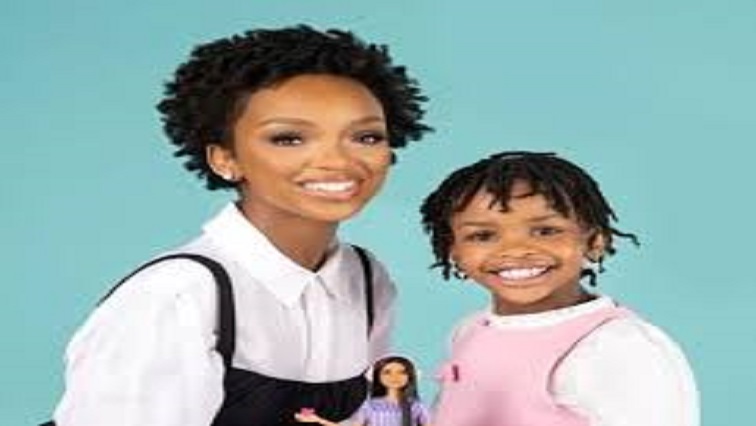
In SA, Barbie partnered with actress, singer, and autism advocate Nandi Madida and her six-year-old daughter, Nefertiti Madida. Nandi said:
“Barbie has always represented comfort and imagination for me, and becoming a mother to an autistic child has shown me what representation truly means. For autistic children, seeing themselves i
n this doll shows they are seen, valued, and understood. For other children, it teaches empathy and respect.”
The autistic Barbie is now available at major stores across SA, joining other Fashionistas dolls representing conditions like type 1 diabetes, Down syndrome, and blindness.
–ChannelAfrica–


