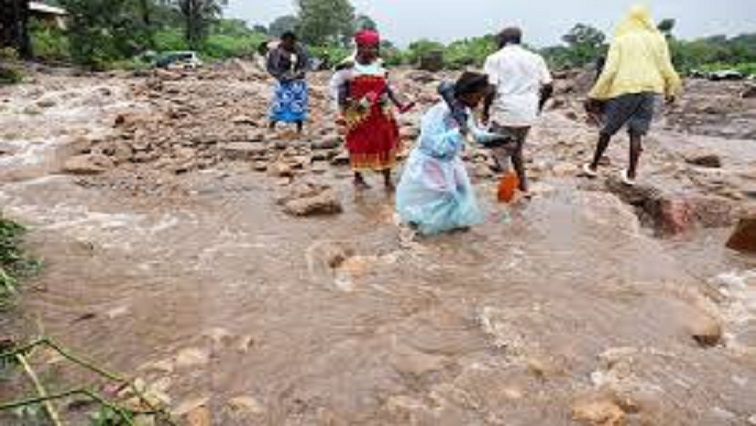
South Sudan is facing a deepening crisis marked by political polarisation, armed clashes, and worsening humanitarian conditions, senior United Nations (UN) officials told the Security Council on Tuesday.They warned that “a breaking point is becoming visible” in the country’s fragile peace process, as the implementation of key provisions under the 2018 Revitalised Peace Agreement continues to stall. The 2018 deal, which ended years of civil war, was designed to secure power-sharing and integrate rival forces into a unified national army. However, both arrangements are now showing signs of collapse. With national elections scheduled for December 2026, the UN cautioned that growing political competition could fuel violence rather than strengthen peace. The situation has been worsened by the conflict in neighbouring Sudan, which has driven more than 1.2 million refugees across the border into South Sudan since April 2023, stretching already fragile systems and resources. Recent political reshuffles have weakened South Sudan’s power-sharing arrangements, while the detention of opposition leaders has heightened tensions. Progress on security sector reform, constitutional drafting, and election preparation remains largely frozen. Jean-Pierre Lacroix, the UN Under-Secretary-General for Peace Operations, said the “principle of inclusivity that underpinned the peace agreement appears to have been sacrificed.” Fighting has intensified in Jonglei, Unity, and Upper Nile states, with reports of ceasefire violations, aerial bombardments, and ambushes. These clashes have led to civilian deaths, displacement, and the destruction of livelihoods. “South Sudan shows all the signs of a clear and present danger of relapsing back to full-scale conflict,” said Solomon Ayele Dersso from the civil society organisation Amani Africa. The UN estimates that 7.5 million people are facing acute food insecurity, while floods, displacement, and violence continue to deepen humanitarian needs. There are also rising reports of gender-based violence, including rape and abduction, with 260 conflict-related cases documented last year. UN Women Executive Director Sima Bahous warned that “there could be no worse time to withdraw support,” emphasising that women remain excluded from decision-making despite a 35% representation quota in the peace accord. UN officials urged the South Sudanese government and opposition parties to halt hostilities, resume dialogue, and uphold the protection of civilians. They also called for continued support for the UN peacekeeping mission, warning that without decisive action, the country risks sliding back into war. –UN/ChannelAfrica–