

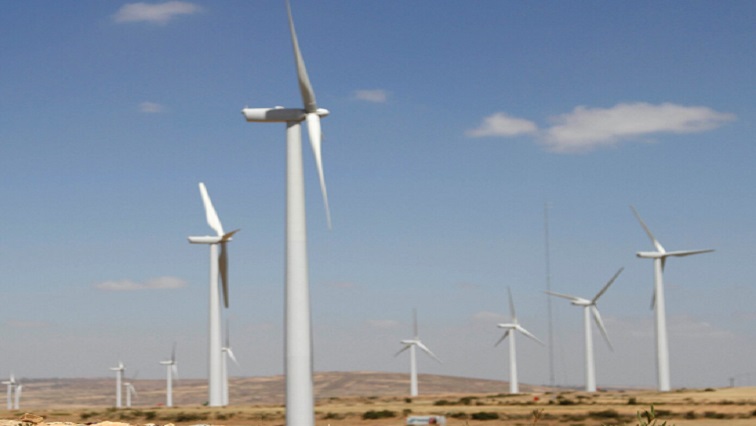
Approved on July 15, the financing package will support the 300 MW Aysha Wind Project in Ethiopia’s Somali Region, a development expected to strengthen energy security, expand electricity access and accelerate private-sector participation in the country’s power sector.
The project has an estimated total cost of $508 million. AfDB’s financing package includes up to $80 million from its ordinary capital resources, $20 million from the Clean Technology Fund and $10 million from the Sustainable Energy Fund for Africa. AfDB will also help mobilise an additional $381.1 million in debt financing from other development finance institutions.
Developed, owned and operated by AMEA Power, the project involves the construction, operation and maintenance of a 300 MW greenfield wind farm near Aysha. The development also includes a five-kilometre transmission line and upgrades to the existing Aysha II substation.
Under a 25-year Power Purchase Agreement, Ethiopian Electric Power will serve as the sole off-taker of the electricity generated by the plant and will assume ownership of the completed transmission line.
AfDB Director for Energy Financial Solutions, Policy and Regulations Wale Shonibare, said the project marks a significant milestone for Ethiopia’s electricity sector. “Aysha shows what is possible when governments, development partners and private sponsors work together to solve bankability challenges head-on.”
Shonibare added: “As co-mandated lead arranger alongside International Finance Corporation, we have structured a first-of-its-kind financing package for Ethiopia, which combines long-tenor senior debt, concessional finance and pioneering risk mitigation mechanisms, creating a replicable template for future power sector investments.”
Once operational, the wind farm is expected to generate approximately 1 189 gigawatt hours of clean electricity annually, making a significant contribution to Ethiopia’s power supply.
The project is expected to support the country’s goal of achieving universal electricity access by 2030 while improving the reliability and affordability of energy services.
The development will also help diversify Ethiopia’s electricity generation mix, which currently relies on hydropower for approximately 96% of generation. Increasing wind generation capacity is expected to strengthen resilience against droughts and other climate-related disruptions that affect hydropower production.
AfDB said the project is expected to deliver substantial environmental benefits, preventing an estimated 1.39 million tonnes of carbon dioxide emissions over the 25-year agreement period.
The construction phase is expected to create up to 1 525 direct jobs, while the operational phase will support 30 permanent positions. An estimated 35 645 indirect jobs are also expected to be generated through supply-chain activities and broader economic growth linked to increased electricity availability.
–AfDB/ChannelAfrica–





