

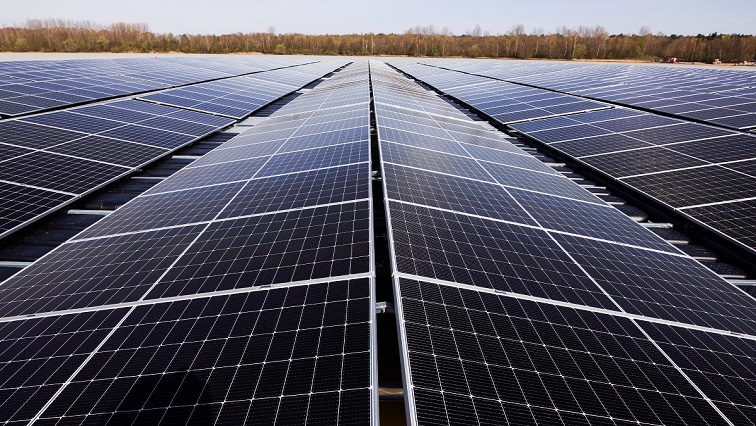
The project, located in Qena Governorate, is expected to strengthen Egypt’s renewable energy capacity while supporting efforts to reduce carbon emissions and improve energy security.
The financing package comprises $46 million from the AfDB’s ordinary resources and $20 million in concessional funding from the Climate Investment Funds’ Clean Technology Fund. Additional financing is expected to be mobilised from a consortium of development finance institutions.
The total cost of the project is estimated at more than $290 million.
The investment will fund the design, construction, operation and maintenance of the photovoltaic power plant and its integrated battery storage system. Once completed, the facility is expected to generate approximately 1 373 gigawatt-hours of electricity annually.
The battery storage component will allow renewable energy generated during the day to be supplied during peak evening demand periods, helping to improve reliability and manage fluctuations associated with solar power generation.
Egypt Aluminium Company, known as EgyptAlum, will be the sole off-taker under a 25-year power purchase agreement. The company is one of Africa’s largest aluminium producers and is listed on the Egyptian Stock Exchange.
The project is scheduled to become fully operational in early 2028.
According to the AfDB, the development is expected to reduce annual carbon dioxide emissions by about 500 000 tonnes. Over the project’s lifetime, total emissions reductions could reach approximately 12.5 million tonnes.
The construction phase is expected to create around 2 500 jobs, with a focus on opportunities for women and young people. A further 23 permanent positions are expected during operations.
AfDB Vice President for Power, Energy, Climate and Green Growth Dr Kevin Kariuki said the project represents an important step in industrial decarbonisation.
Kariuki said the initiative will help EgyptAlum maintain access to European markets while supporting more than 6 000 jobs as companies adapt to the European Union’s Carbon Border Adjustment Mechanism, which came into effect in January 2026.
The project aligns with the AfDB’s Ten-Year Strategy 2024-2033, the institution’s Four Cardinal Points strategic priorities and its country strategy for Egypt, which seeks to expand access to sustainable energy while attracting private-sector investment.
AfDB Director of Energy Financial Solutions, Policy and Regulation Wale Shonibare said the Dandara project is expected to establish an important benchmark for private-sector investment in renewable energy and industrial decarbonisation across the region.
–AfDB/ChannelAfrica–





