
Through the Africa Circular Economy Facility, a multi-donor trust fund administered by AfDB, eight countries will either develop or begin implementing national circular economy roadmaps designed to turn waste into economic opportunities and retain more value within local economies.
Under the programme’s second phase, Angola, Liberia, Madagascar and Senegal will develop national circular economy roadmaps by identifying priority sectors, aligning institutional efforts and establishing strategies suited to their economies.
Meanwhile, Benin, Chad, Ethiopia and Mauritius will move into the implementation phase, translating existing frameworks into policies, programmes and institutional structures.
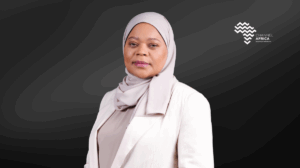
Director of the Climate Change and Green Growth Department at the AfDB, Anthony Nyong, said the initiative can help African countries address development financing challenges while attracting investment. “The continent faces an annual development financing gap of more than $400 billion. Roadmaps for the circular economy can help countries strengthen their domestic productive capacities and turn their priorities into investment opportunities,” Nyong said.
The circular economy focuses on keeping resources in use for longer through recycling, reuse and value addition, reducing waste while creating economic opportunities.
AfDB said the approach is particularly important for Africa, where large quantities of raw materials continue to be exported without processing, limiting industrial development and employment creation.
According to the Bank, circular economy policies can help countries retain more value from natural resources while promoting local manufacturing and business growth.
The first group of participating countries has already identified opportunities in sectors including agriculture, construction, forestry, manufacturing, energy, water management, plastics and textiles.
Chad Minister of the Environment Hassan Bakhit Djamous said the country’s roadmap aims to create more than 25 000 green jobs and reduce non-recycled waste by 40% by 2035. “Far from being a luxury, this initiative is a vital necessity for Chad’s future. It paves the way for us to diversify an economy that is still heavily dependent on oil,” Djamous said.
In Benin, authorities have adopted a Circular Economy Action Plan targeting a 25% recycling rate over the next decade, full municipal waste collection and the establishment of 300 circular economy businesses.
AfDB said the roadmaps are intended to help governments identify sectors with the greatest potential for investment, organise implementation plans and create governance structures that support long-term sustainability.
Through the Africa Circular Economy Facility and the African Circular Economy Alliance, AfDB provides technical assistance aimed at creating policy and institutional environments capable of supporting the continent’s transition towards a more circular and sustainable economy.
The Bank said the goal is to move Africa’s circular economy agenda from planning to implementation while supporting job creation, industrialisation and economic transformation.
–AfDB/ChannelAfrica–





