

The strategy was unveiled on Wednesday at an event in Maseru attended by senior government officials, diplomats, civil society organisations and private‑sector representatives.
Backed by an indicative operations programme valued at $209 million, the strategy prioritises two key pillars. The first focuses on developing sustainable infrastructure to support industrialisation, with investments planned in energy, information and communications technology and water. The second aims to strengthen institutional capacity to improve public‑sector efficiency and enhance private‑sector competitiveness.
Speaking on behalf of the Minister of Finance and Development Planning, Foreign Affairs Minister Lejone Mpotjoana said the strategy represents a shared commitment to long‑term development. He noted that Lesotho’s natural endowments, including high‑quality diamonds, abundant water resources and strong renewable energy potential, must be harnessed more effectively to boost productivity and inclusive growth.
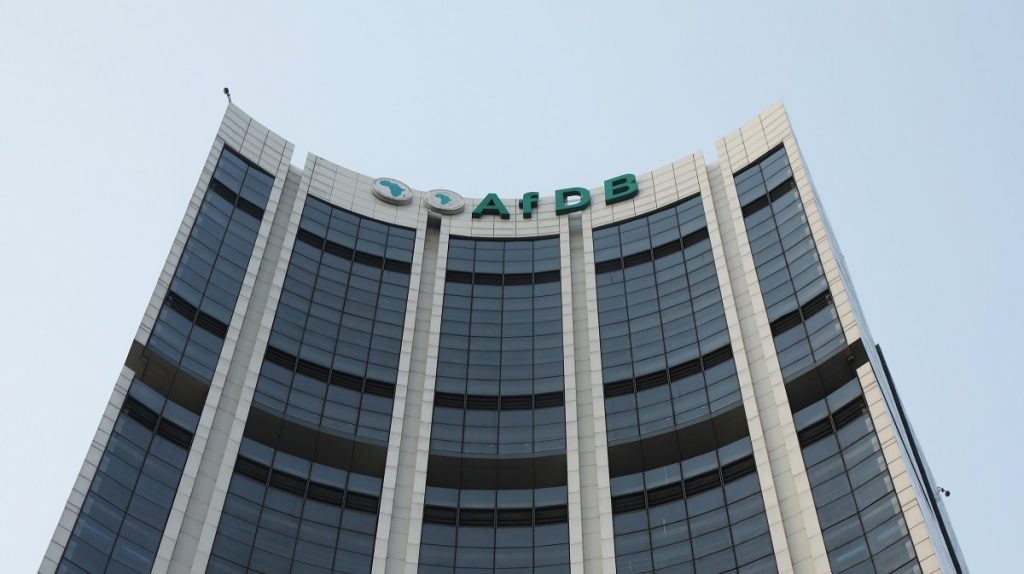
AfDB Deputy Director General for Southern Africa and Country Manager for Lesotho, Moono Mupotola, described the new strategy as a turning point in the Bank’s engagement with the country. Since beginning operations in Lesotho in 1974, the Bank has approved 68 loans and grants worth $448 million, all of them sovereign operations.
For the first time, the 2025 to 2030 strategy introduces a programme of non‑sovereign operations, signalling a push to unlock private investment across sectors such as tourism. Lesotho’s highland scenery, including Afriski Mountain Resort, Africa’s only ski resort, was highlighted as a competitive advantage with strong employment potential.
“Lesotho has assets that few countries in the region can match,” Mupotola said. “These are genuine platforms for intensive job creation.”
The strategy is being launched amid growing economic uncertainty.
Central Bank Governor Emmanuel Maluke Letete warned that Lesotho remains vulnerable to external shocks, including higher global oil prices and potential volatility in Southern African Customs Union (SACU) revenues.
Government officials acknowledged the risks but pointed to recent fiscal surpluses, supported by strong SACU receipts and water royalties, as evidence that reforms are gaining traction.
The strategy was developed through extensive consultations and reflects strong national ownership. The Bank’s current active portfolio in Lesotho includes seven operations valued at $49 million, covering water, sanitation, communications, governance and energy.
–AfDB/ChannelAfrica–


